
Mira · doubt
"He asks for an explanation and gets a tour of the sky?"
Episode 07 · Watch
Out of the Whirlwind
After all the arguing, God finally answers Job: not with reasons, but with Himself.

Where wast thou when I laid the foundations of the earth?Job 38:4

Out of a whirlwind, God speaks. He does not explain Job's pain. Instead He walks him through the wild wonder of creation: stars, storms, the sea, beasts no one can tame, until Job is quiet. Seeing God, Job stops needing the answer.
Mira doubts. Tov trusts. The show lives in the space between them.
"He asks for an explanation and gets a tour of the sky?"

"He did not need the answer once he saw the One who had it."
Every beat of the film, in order, with the frame that carries it.
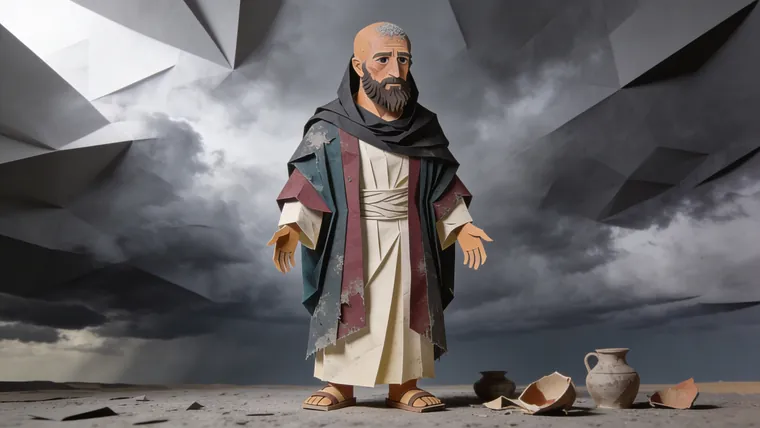
The silence finally breaks
Mira and Tov: I want to hear it
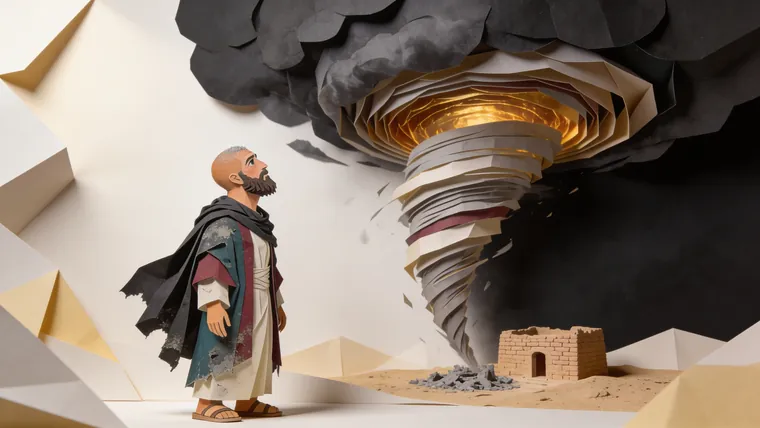
Out of the whirlwind
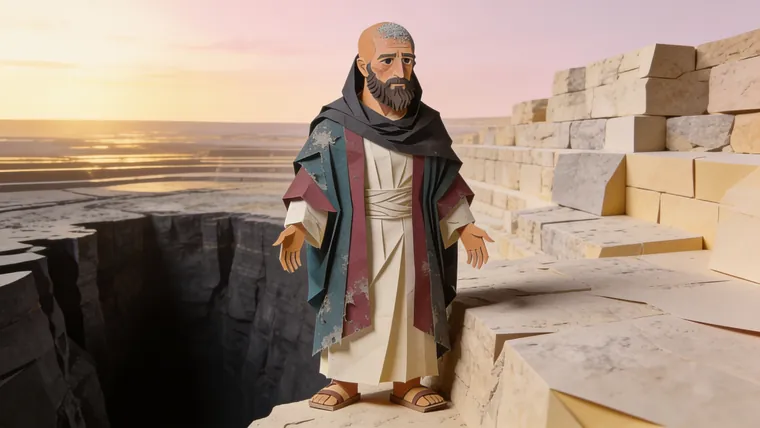
Where wast thou when I laid the foundations

The sea told where to stop

Who commanded the morning
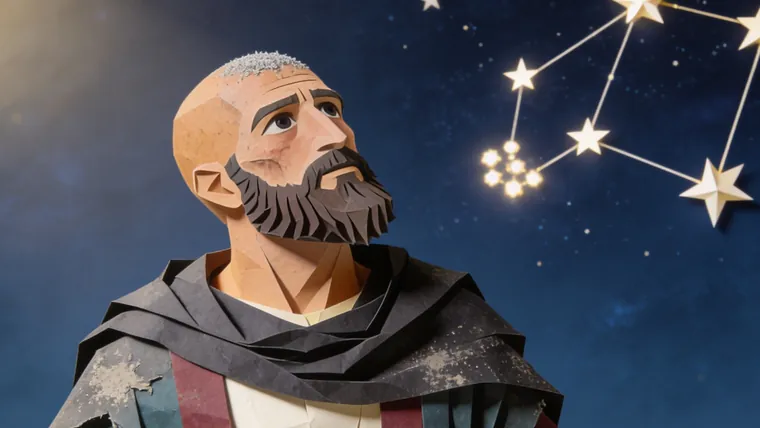
The stars called by name

The wild things
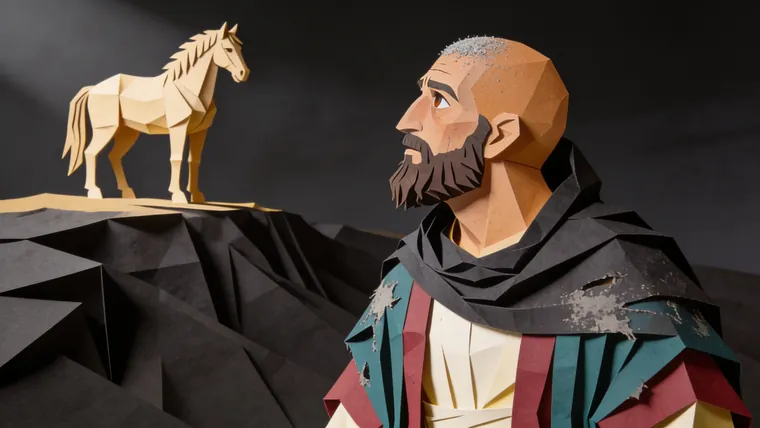
The horse that laughs at fear

The eagle, and Job covers his mouth
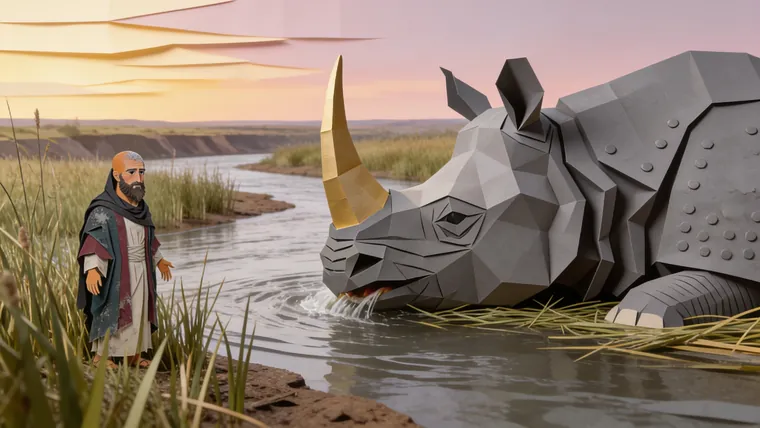
Behemoth and Leviathan
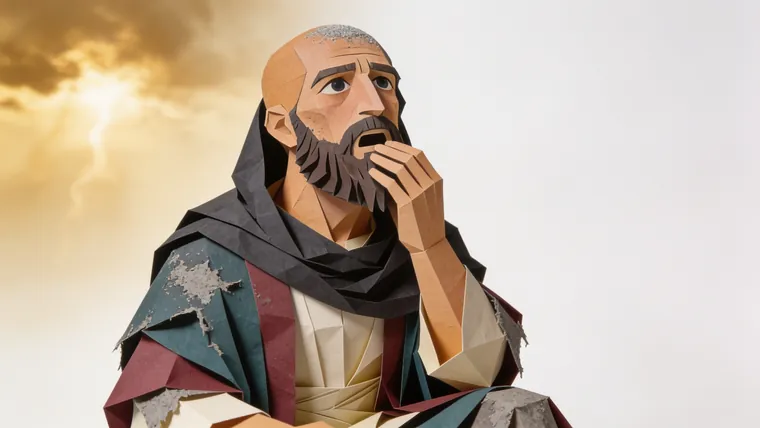
Now mine eye seeth thee
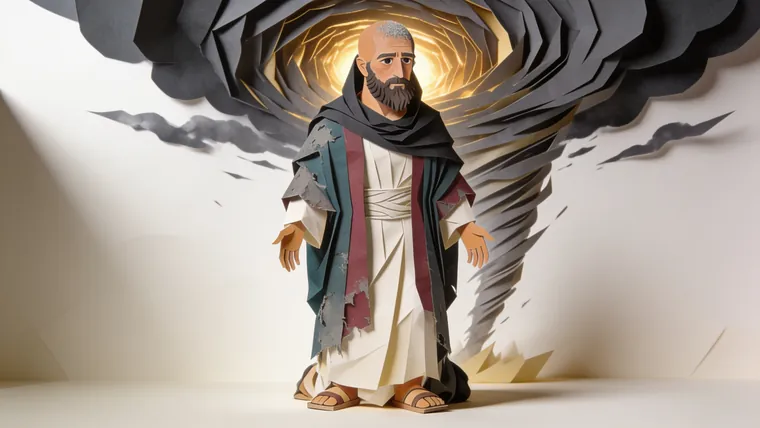
The voice in the storm was the Word
Quoted line for line from the King James Version.
Where wast thou when I laid the foundations of the earth? ... When the morning stars sang together, and all the sons of God shouted for joy?
Or who shut up the sea with doors, when it brake forth, as if it had issued out of the womb? ... Hitherto shalt thou come, but no further: and here shall thy proud waves be stayed?
Hast thou commanded the morning since thy days; and caused the dayspring to know his place; That it might take hold of the ends of the earth, that the wicked might be shaken out of it?
Hast thou entered into the treasures of the snow? or hast thou seen the treasures of the hail,
Canst thou bind the sweet influences of Pleiades, or loose the bands of Orion? Canst thou bring forth Mazzaroth in his season? or canst thou guide Arcturus with his sons?
Who provideth for the raven his food? when his young ones cry unto God, they wander for lack of meat.
Who hath sent out the wild ass free? or who hath loosed the bands of the wild ass?
Will the unicorn be willing to serve thee, or abide by thy crib?
Hast thou given the horse strength? hast thou clothed his neck with thunder? ... He saith among the trumpets, Ha, ha; and he smelleth the battle afar off, the thunder of the captains, and the shouting.
Doth the eagle mount up at thy command, and make her nest on high?
Behold, I am vile; what shall I answer thee? I will lay mine hand upon my mouth.
Behold now behemoth, which I made with thee; he eateth grass as an ox. ... He is the chief of the ways of God:
Canst thou draw out leviathan with an hook? or his tongue with a cord which thou lettest down?
Out of his mouth go burning lamps, and sparks of fire leap out.
He maketh the deep to boil like a pot: he maketh the sea like a pot of ointment.
He beholdeth all high things: he is a king over all the children of pride.
I have heard of thee by the hearing of the ear: but now mine eye seeth thee. Wherefore I abhor myself, and repent in dust and ashes.
All things were made by him; and without him was not any thing made that was made.
And he is before all things, and by him all things consist.
In the beginning was the Word, and the Word was with God, and the Word was God.
Everything for this story in one place. Pick where to start.
Small details that pay off later. The gold marks are seeds the ending grows from.
Then the LORD answered Job out of the whirlwind (God comes, but with questions, not an explanation)
Where wast thou when I laid the foundations of the earth?
When the morning stars sang together, and all the sons of God shouted for joy
God parades the untamable creatures Job cannot command, the wild ass, the wild ox/unicorn, the war horse, the eagle (the wonder + the limit of human dominion)
Behold now behemoth, which I made with thee; he eateth grass as an ox, the chief of the ways of God (a creature no man tames)
Canst thou draw out leviathan? ... he is a king over all the children of pride (the climax of the answer, God alone masters what man cannot)
Pays off → The scale that humbles Job into 'mine eye seeth thee'
I have heard of thee by the hearing of the ear: but now mine eye seeth thee; wherefore I abhor myself, and repent in dust and ashes
For I know that my redeemer liveth, and that he shall stand at the latter day upon the earth... yet in my flesh shall I see God
Pays off → The grace landing, the Redeemer is Jesus (paid off fully in Part 3)
All 20 quoted spans were verified word for word against the King James Version, then read for fairness and reverence before a single frame was made. Mira & Tov are companions in a dramatized retelling, not people from the Bible.
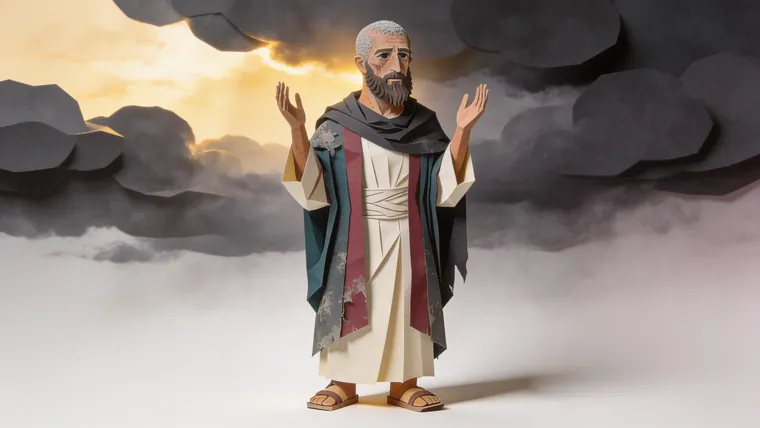
The God who questioned Job from the storm answered every question Himself: on a cross, and out of a grave.
Job wanted an explanation. God gave him a universe instead, and never once said why. Mira came in sure that was unfair. Be honest: would the whole world be enough for you, or do you still want the reason? Part 3 is where He gives it all back.
Short answers, straight from the King James Version.
God never tells Job about the scene in heaven that started it all. Instead He asks, 'Where wast thou when I laid the foundations of the earth?' (Job 38:4) and walks him through the stars, the sea, and creatures Job can never tame. The questions are not a dodge. They show Job the size of the One he has been arguing with, and that is what actually settles him: not a reason, but a right view of God.
They are the two most fearsome creatures God names: 'Behold now behemoth, which I made with thee' (Job 40:15) and 'Canst thou draw out leviathan with an hook?' (Job 41:1). Whatever animals stand behind the description, the point is the same either way: these are beasts no man can leash, tame, or hook, yet God made them and holds them on a leash Himself. If Job cannot manage behemoth, he was never going to manage the running of the universe.
After hearing God, Job says, 'I have heard of thee by the hearing of the ear: but now mine eye seeth thee. Wherefore I abhor myself, and repent in dust and ashes' (Job 42:5-6). He is not confessing some hidden sin his friends were hunting for. He is admitting he spoke about things too big for him (Job 38:2), and that hearing about God secondhand is nothing like seeing Him. It is the relief of a man who stops demanding an answer because he has met the One who has it.
The One asking Job 'Where wast thou when I laid the foundations of the earth?' is the same One Scripture names as Creator of everything: 'All things were made by him' (John 1:3), 'he is before all things, and by him all things consist' (Colossians 1:17). The voice from the whirlwind and the Word made flesh are not two different gods with two different plans. The Creator who questioned Job from the storm is the same Creator who later stood in the dust Himself.
Short, vertical cuts, each built around one verse.
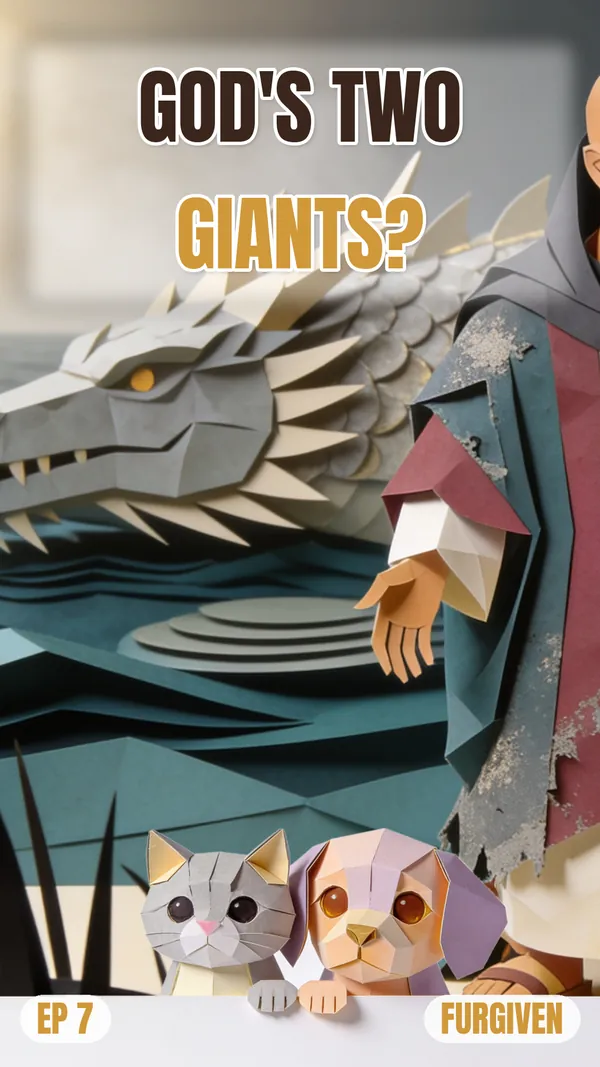
God ends His answer to Job with two monsters. "Behold now behemoth, which I made with thee; he eateth grass as an ox ...
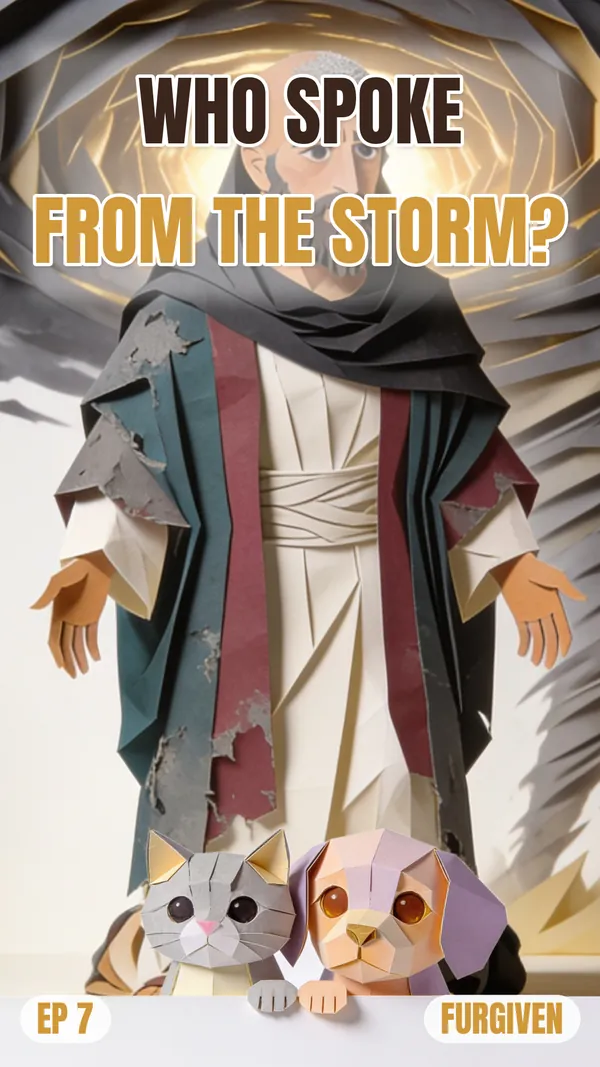
God named the stars for Job, one by one: "Canst thou bind the sweet influences of Pleiades, or loose the bands of Orion?" (Job 38:31)
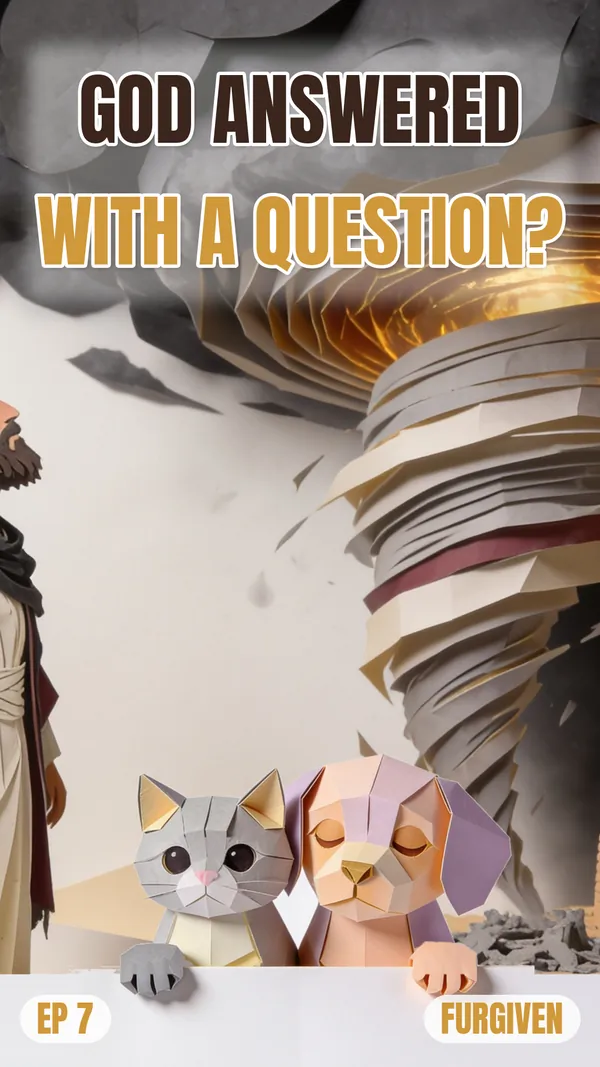
Job demanded a reason. Out of the storm, God answered with a question instead: "Where wast thou when I laid the foundations of the earth?" (Job 38:4)