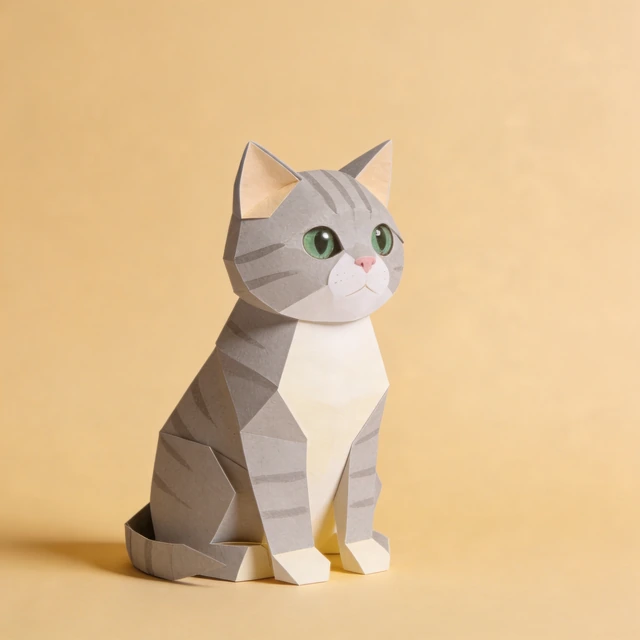
Mira · doubt
"If one bite can ruin everything, was it ever really safe?"
Episode 02 · Watch
It starts with one quiet question: "did God really say?" Then everything breaks. God answers the break with a promise.
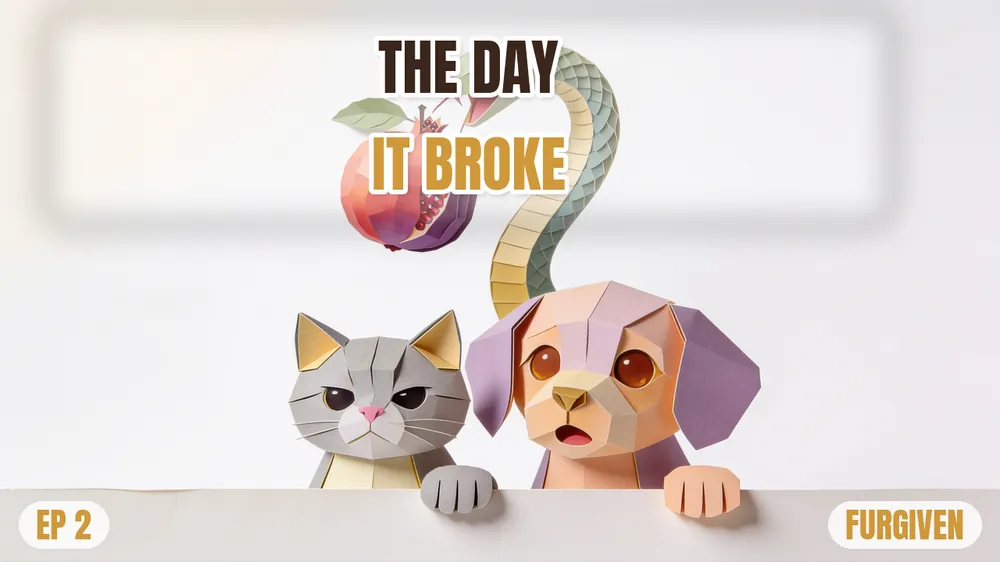
It shall bruise thy head, and thou shalt bruise his heel.Genesis 3:15
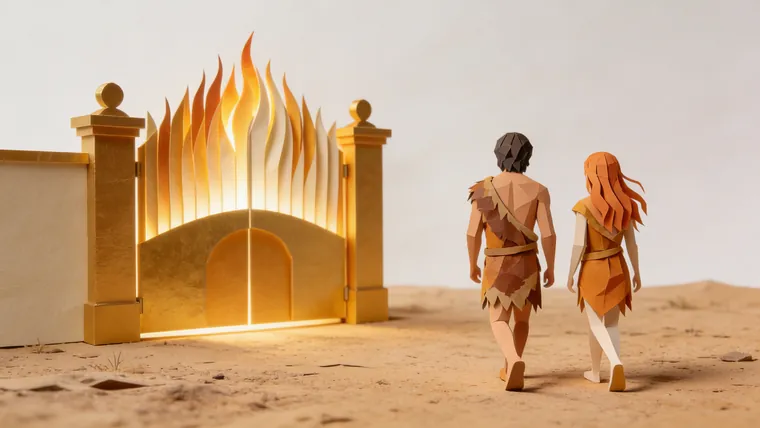
In a finished, unbroken garden, a question slips in: did God really say? The man and woman believe the lie, eat, and hide. Shame, blame, and a curse follow. Yet in the same breath God promises a rescuer, and covers their shame Himself.
Mira doubts. Tov trusts. The show lives in the space between them.
"If one bite can ruin everything, was it ever really safe?"

"Look: He is already promising someone who will set it right."
Every beat of the film, in order, with the frame that carries it.
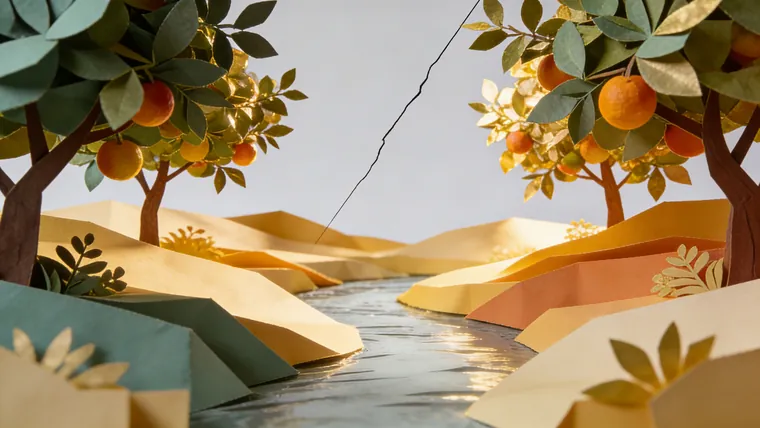
Did God really say?
Mira and Tov: I take this one personally
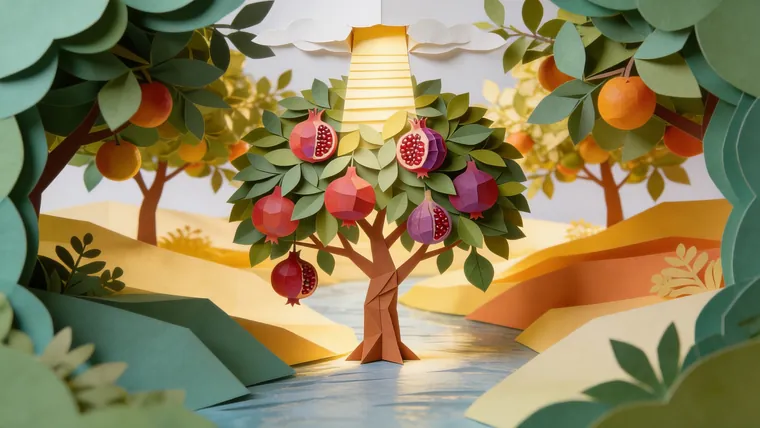
The garden and the one command
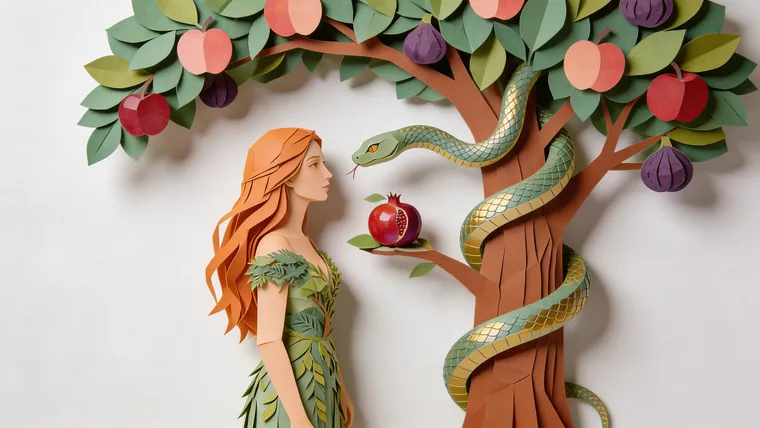
The serpent's question
Ye shall not surely die
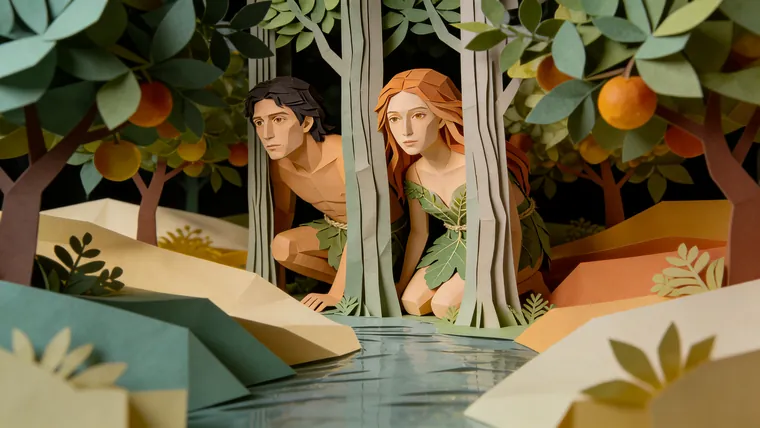
Fig leaves, and hiding
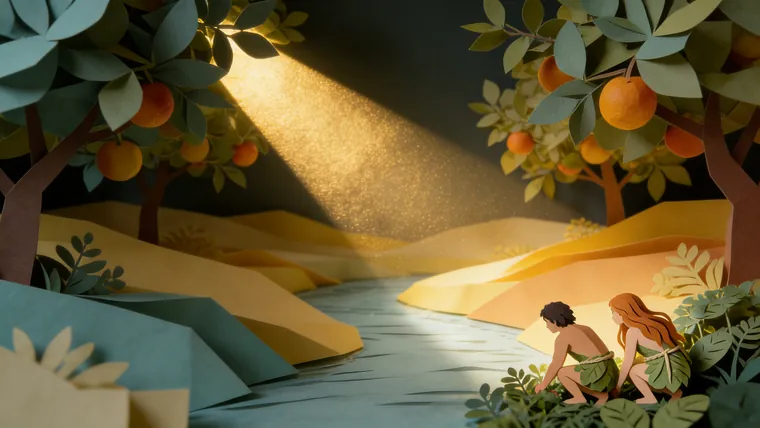
Where art thou?
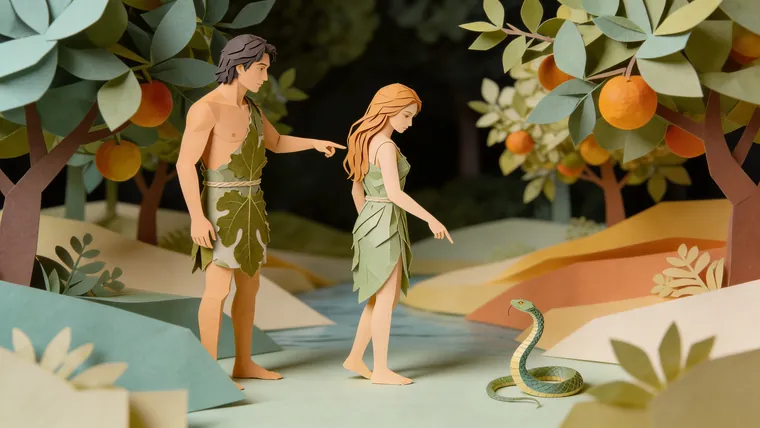
The blaming begins
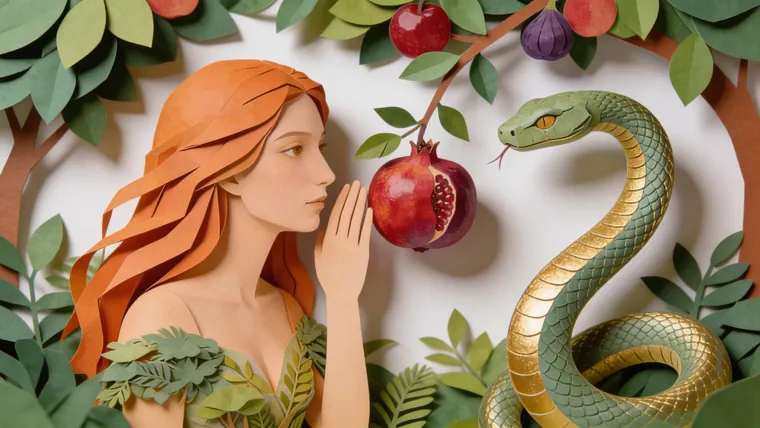
He came looking
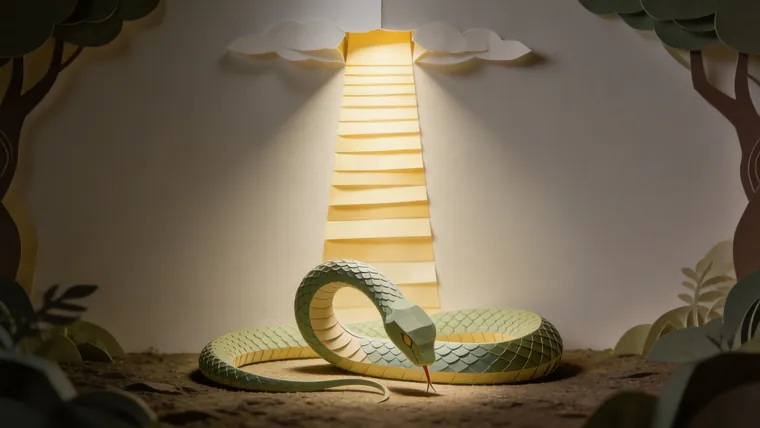
The first promise: bruise thy head
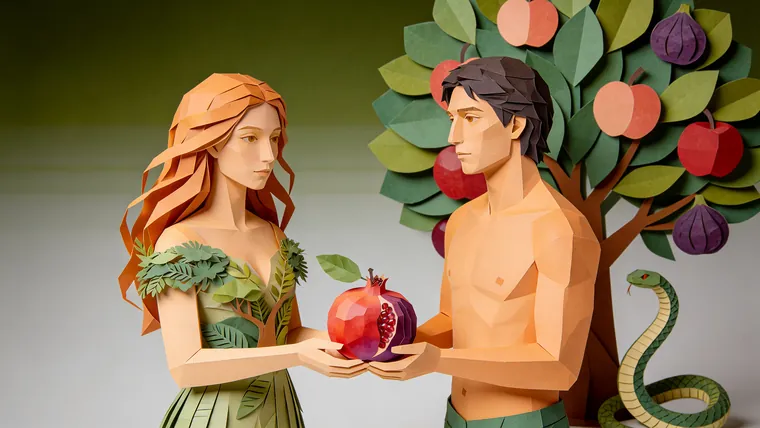
The cost, and a name called Eve
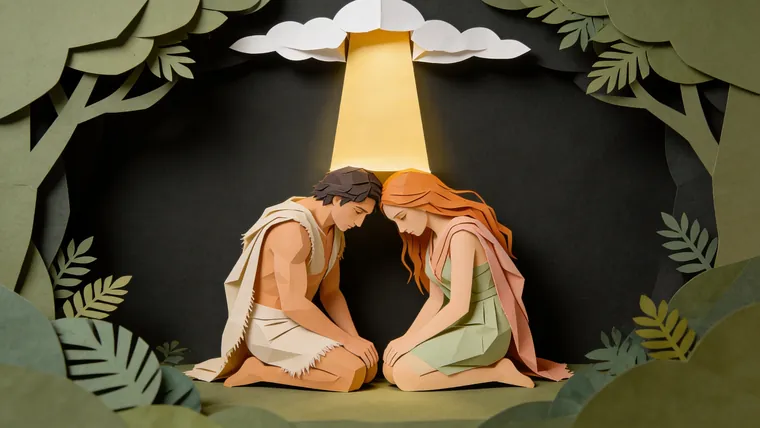
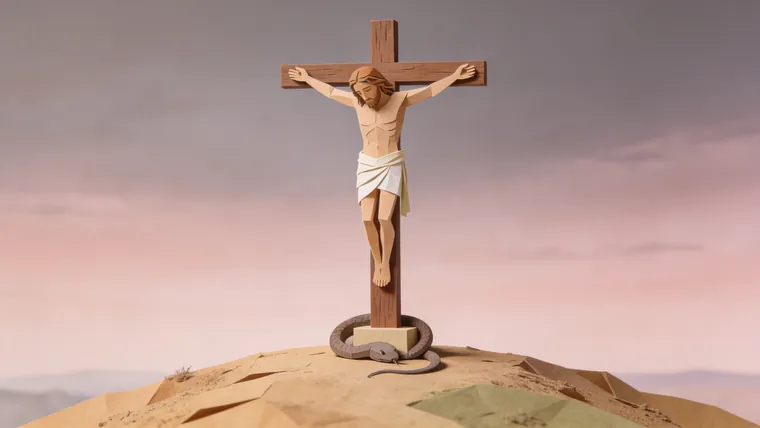
Coats of skins, exile, and the cross
Mira and Tov respond
Quoted line for line from the King James Version.
Of every tree of the garden thou mayest freely eat: But of the tree of the knowledge of good and evil, thou shalt not eat of it: for in the day that thou eatest thereof thou shalt surely die.
Yea, hath God said, Ye shall not eat of every tree of the garden?
Ye shall not surely die
ye shall be as gods, knowing good and evil
Where art thou?
Who told thee that thou wast naked? Hast thou eaten of the tree, whereof I commanded thee that thou shouldest not eat?
The serpent beguiled me, and I did eat
upon thy belly shalt thou go, and dust shalt thou eat all the days of thy life
And I will put enmity between thee and the woman, and between thy seed and her seed; it shall bruise thy head, and thou shalt bruise his heel.
in sorrow thou shalt bring forth children
cursed is the ground for thy sake ... thorns also and thistles shall it bring forth to thee
in the sweat of thy face shalt thou eat bread, till thou return unto the ground ... for dust thou art, and unto dust shalt thou return
the mother of all living
Cherubims, and a flaming sword which turned every way, to keep the way of the tree of life
Unto Adam also and to his wife did the LORD God make coats of skins, and clothed them.
the LORD God sent him forth from the garden of Eden, to till the ground from whence he was taken.
For the Son of man is come to seek and to save that which was lost.
And the God of peace shall bruise Satan under your feet shortly.
God sent forth his Son, made of a woman
having spoiled principalities and powers, he made a shew of them openly, triumphing over them
Everything for this story in one place. Pick where to start.
Small details that pay off later. The gold marks are seeds the ending grows from.
Thou shalt not eat of the tree of knowledge: thou shalt surely die
The serpent: Yea, hath God said... ye shall not surely die... ye shall be as gods
They sewed fig leaves together
The voice of the LORD God walking in the cool of the day
Where art thou?
Who told thee that thou wast naked? Hast thou eaten...
The serpent beguiled me, and I did eat
It shall bruise thy head, and thou shalt bruise his heel
Pays off → The gospel, Christ crushes the serpent
Upon thy belly shalt thou go, and dust shalt thou eat
In sorrow thou shalt bring forth children
Cursed is the ground; thorns also and thistles; in the sweat of thy face
Pays off → The crown of thorns / Gethsemane sweat
Dust thou art, and unto dust shalt thou return
Adam called his wife Eve; mother of all living (hope after the curse)
The LORD God made coats of skins and clothed them
Pays off → Substitution, innocent life covers them
Lest he take of the tree of life and live for ever (the mercy in the expulsion)
Pays off → The tree of life returns in Revelation
Cherubims and a flaming sword which turned every way
Drove out the man; placed at the east of the garden
All 20 quoted spans were verified word for word against the King James Version, then read for fairness and reverence before a single frame was made. Mira & Tov are companions in a dramatized retelling, not people from the Bible.
The child who crushes the serpent (Genesis 3:15) is Jesus; the coverings God makes for their shame point ahead to the cross that covers ours.
Mira's line in this one is "Did God really say." She always thought the doubt made her clever, until she watched it break the world in Genesis 3. When you hear that question today, where does it usually start: a real command, or a twist on what God actually said? Subscribe if you want the next Genesis story with us.
Short answers, straight from the King James Version.
It started with a question, not a bite. The serpent asked, 'Yea, hath God said, Ye shall not eat of every tree of the garden?' (Genesis 3:1), then denied the consequence outright: 'Ye shall not surely die' (Genesis 3:4). The pull was to distrust God's word and suspect His goodness, as if He were holding something back (Genesis 3:5). The doubt came first; the disobedience followed.
In the middle of the curse, God gives the first hint of a rescuer. Of the woman's seed He says, 'it shall bruise thy head, and thou shalt bruise his heel' (Genesis 3:15). Christians have long read this as the first promise of the gospel: one born of the woman would defeat the serpent, at a cost to Himself, and would come in Jesus (Galatians 4:4).
Christians have long read it two ways. The promised offspring who would bruise the serpent's head (Genesis 3:15) is seen as Jesus, 'made of a woman' to undo what was done (Galatians 4:4). And the 'coats of skins' God made to cover Adam and Eve's shame (Genesis 3:21) are seen as an early picture of the covering God Himself would provide at the cross.
Short, vertical cuts, each built around one verse.
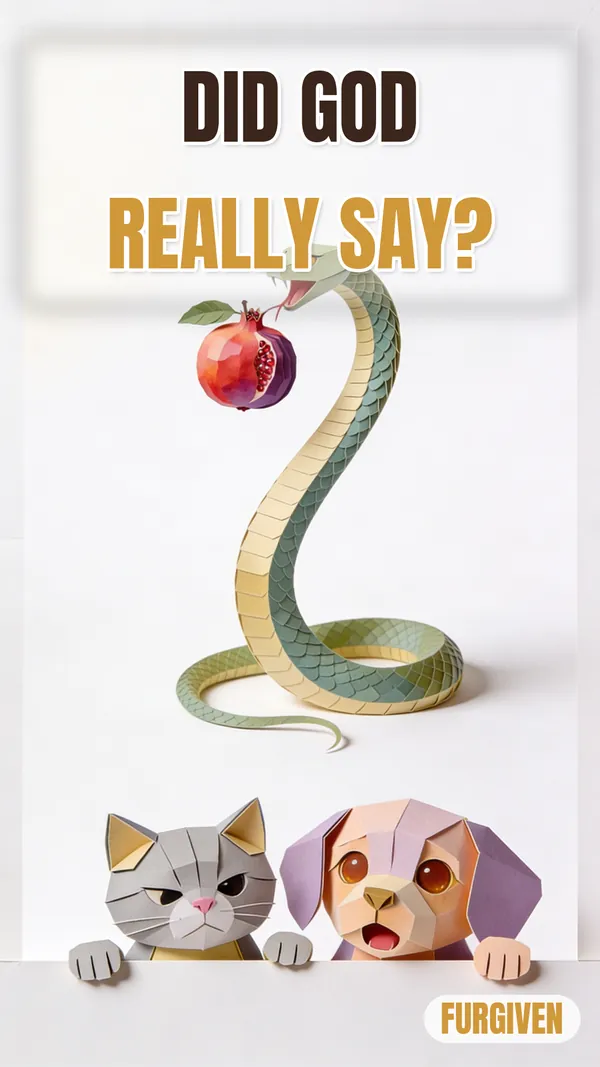
Did God really say? Mira's own line turns out to be the serpent's lie in the Adam and Eve bible story.

Mira sews fig leaves too, better tailored, but still leaves. In the Adam and Eve bible story, God covered them himself after the fall of man.
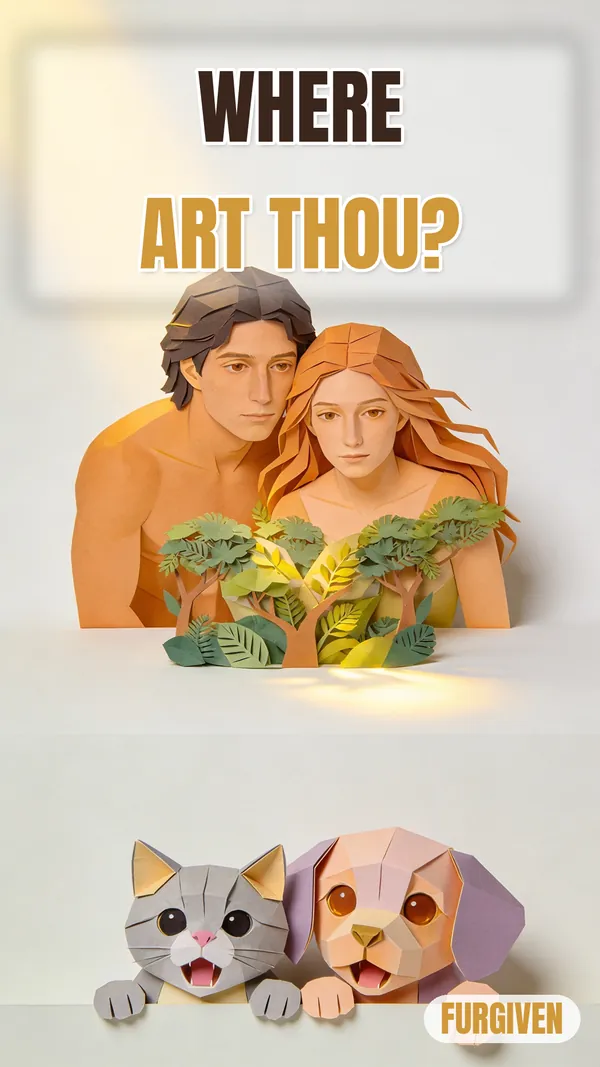
They broke the one rule and hid, and God's first word was not "how dare you."