Mira · doubt
"Why accept one gift and not the other? That is the thing that bothers me."
Episode 03 · Watch
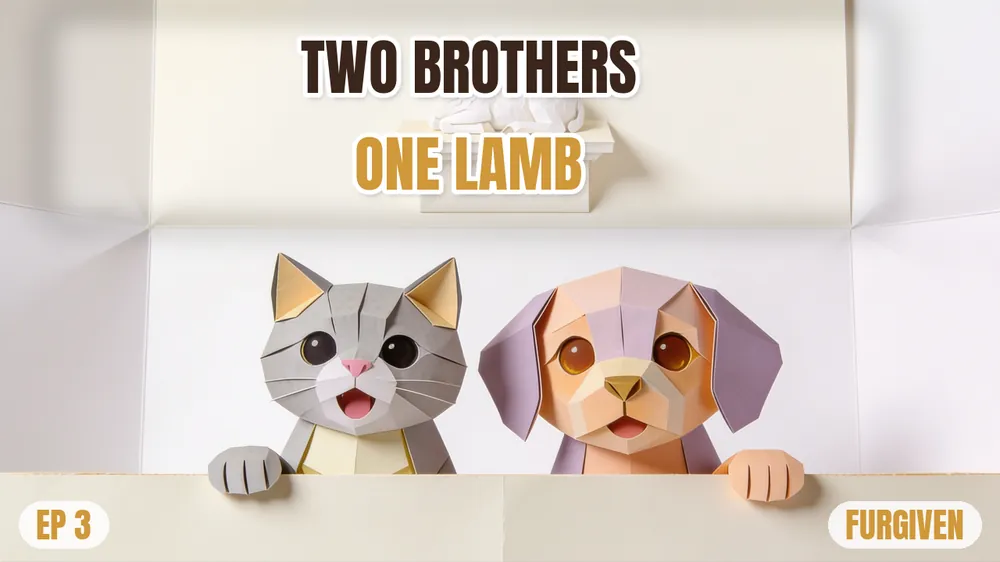
Two brothers bring two gifts to God. The world's first murder grows out of one question: is that fair?
If thou doest not well, sin lieth at the door.Genesis 4:7

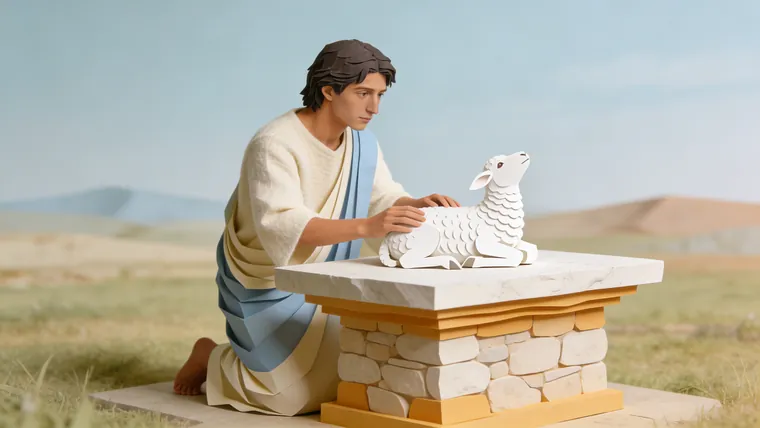
Adam and Eve's sons bring offerings: Abel from his flock, Cain from his field. God receives Abel's and not Cain's. Instead of doing what is right, Cain lets the anger win and kills his brother. Even then, God marks Cain to keep him safe.
Mira doubts. Tov trusts. The show lives in the space between them.
"Why accept one gift and not the other? That is the thing that bothers me."

"Sin was right at the door, and God still warned him, still spared him."
Every beat of the film, in order, with the frame that carries it.
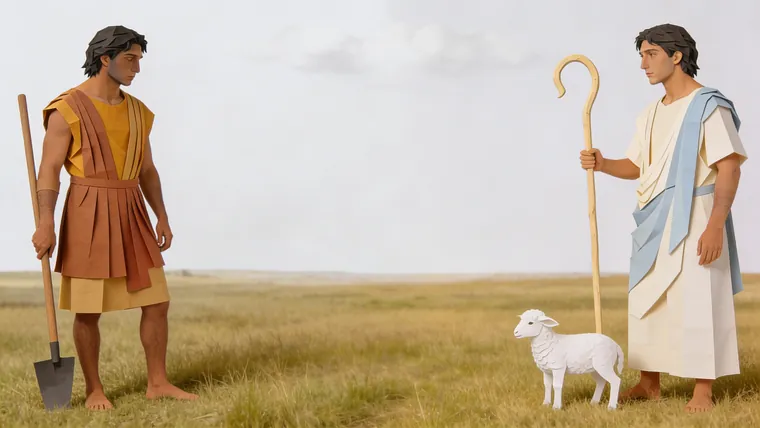
Two brothers, two gifts
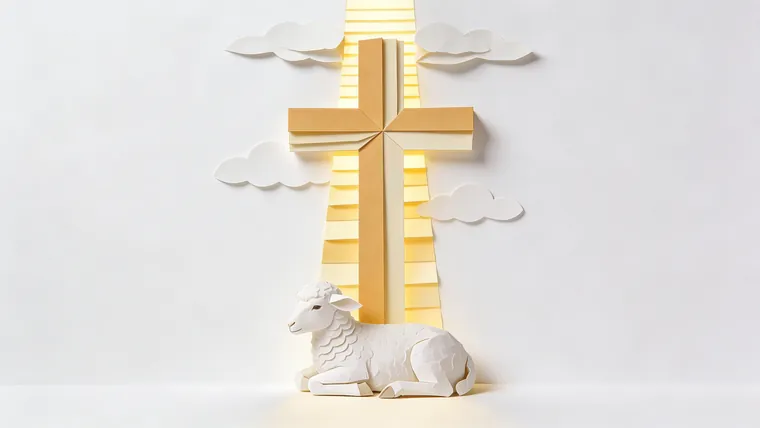
Tell me how that's fair
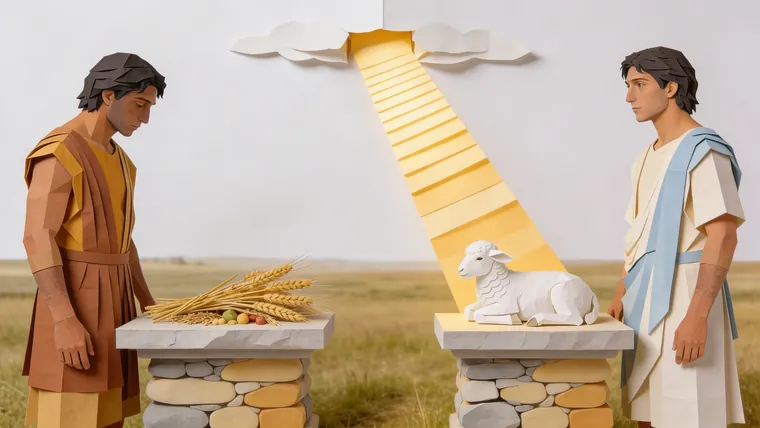
East of Eden, and two gifts to bring
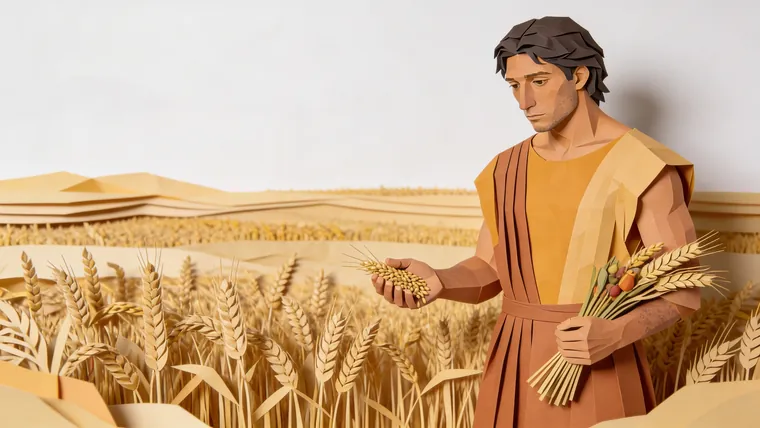
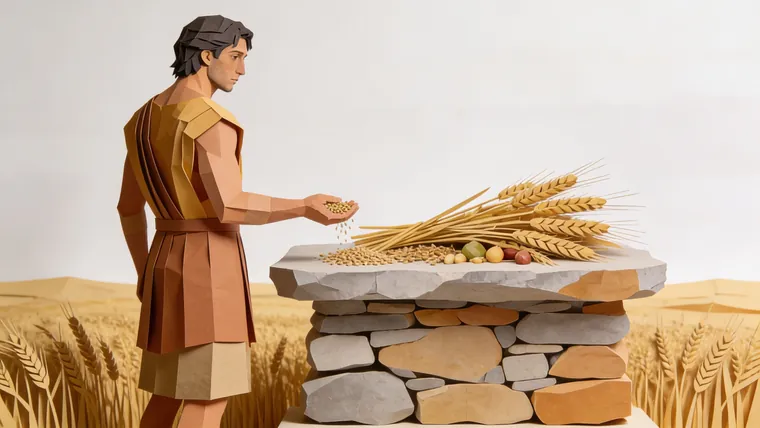
Cain brings the fruit of the ground
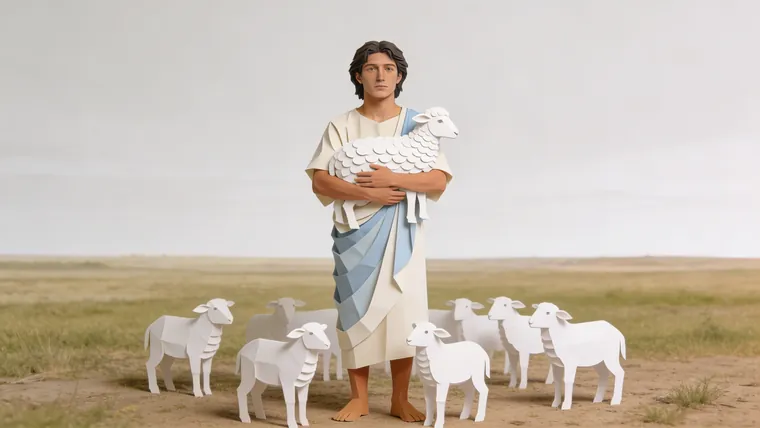
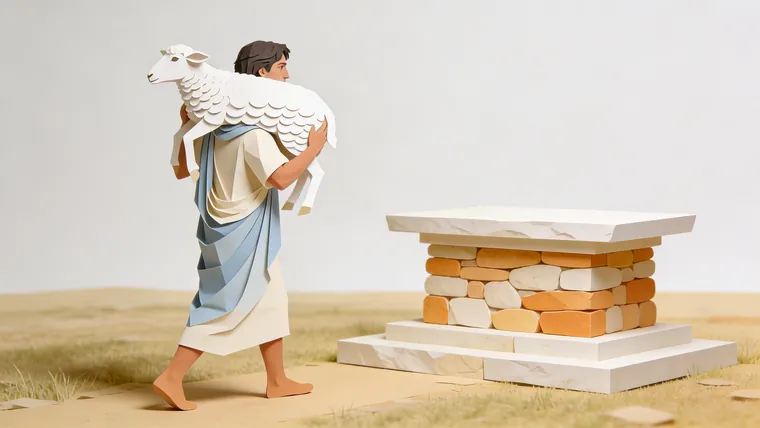
Favour on Abel's, not Cain's
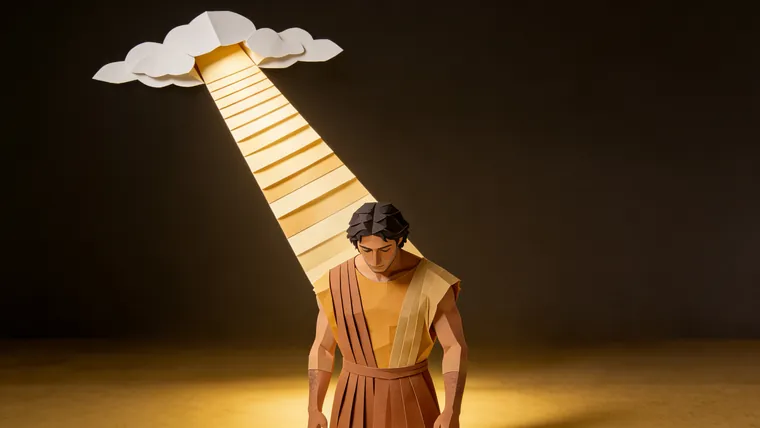
By faith, and a kind warning
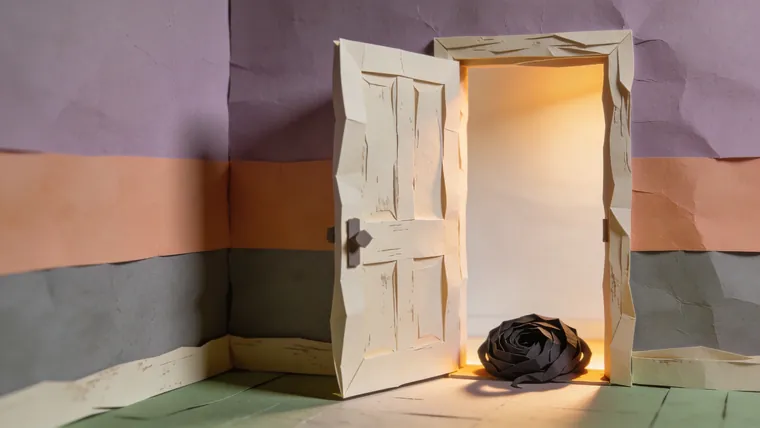
Sin lieth at the door
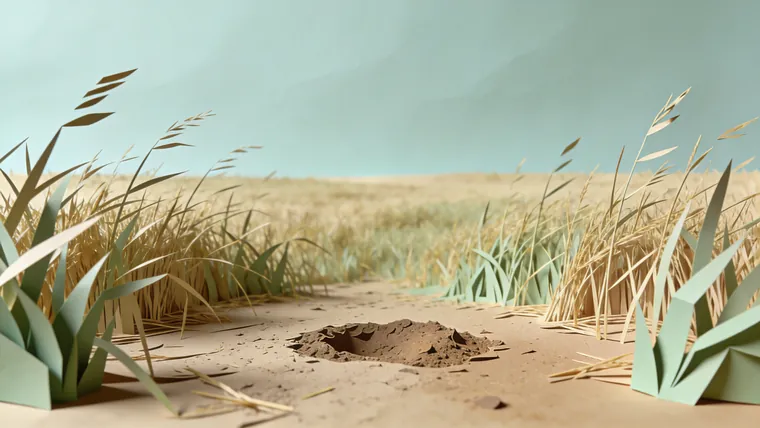
Out to the field
Where is Abel thy brother?
The mark of Cain
A better blood than Abel's
Mira and Tov: mercy is better
Quoted line for line from the King James Version.
I have gotten a man from the LORD
of the fruit of the ground
the firstlings of his flock and of the fat thereof
Why art thou wroth? and why is thy countenance fallen?
If thou doest well, shalt thou not be accepted? and if thou doest not well, sin lieth at the door.
My punishment is greater than I can bear ... from thy face shall I be hid ... every one that findeth me shall slay me
Cain went out from the presence of the LORD, and dwelt in the land of Nod
Where is Abel thy brother?
I know not: Am I my brother's keeper?
What hast thou done? the voice of thy brother's blood crieth unto me from the ground.
the LORD set a mark upon Cain, lest any finding him should kill him
By faith Abel offered unto God a more excellent sacrifice than Cain
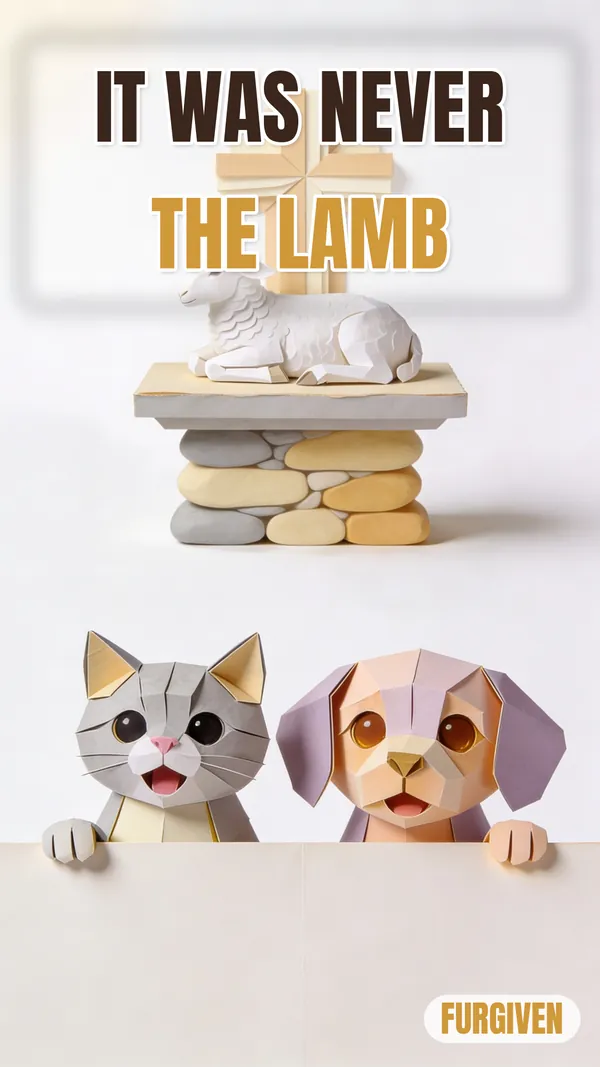
Behold the Lamb of God, which taketh away the sin of the world
the blood of sprinkling, that speaketh better things than that of Abel
Everything for this story in one place. Pick where to start.
Small details that pay off later. The gold marks are seeds the ending grows from.
Eve: I have gotten a man from the LORD (Cain = gotten)
Cain brought fruit of the ground; Abel the firstlings of his flock
The firstlings of his flock AND of the fat thereof (makes Abel's gift a sacrifice)
Pays off → Sacrifice -> the Lamb -> Christ
Cain was wroth, and his countenance fell; God asks why
If thou doest not well, sin lieth at the door
Unto thee shall be his desire, and thou shalt rule over him (sin as a crouching beast you can master)
Pays off → The choice, Cain could have mastered it
Where is Abel thy brother? / Am I my brother's keeper?
The voice of thy brother's blood crieth unto me from the ground
The earth hath opened her mouth to receive thy brother's blood
A fugitive and a vagabond shalt thou be in the earth
My punishment is greater than I can bear; from thy face shall I be hid
The LORD set a mark upon Cain (mercy on a murderer)
Pays off → Grace/protection even on the guilty
Cain dwelt in the land of Nod, on the east of Eden
Abel's blood -> the blood of sprinkling that speaks better -> the Lamb of God
Pays off → Christ, the better Abel
All 8 quoted spans were verified word for word against the King James Version, then read for fairness and reverence before a single frame was made. Mira & Tov are companions in a dramatized retelling, not people from the Bible.
Abel's blood cried out from the ground; Jesus' blood "speaks better things" (Hebrews 12:24). The mark that spared guilty Cain is mercy he never earned.
Mira wanted God to be the unreasonable one, and instead the mark on the murderer made her throat tight, not angry. Was God unfair to reject Cain's offering, or was the heart already wrong before the field? Drop your honest read below. Subscribe if you want the next Genesis story with us.
Short answers, straight from the King James Version.
Genesis first points to the offerings themselves: Abel brought the best, 'the firstlings of his flock and of the fat thereof' (Genesis 4:4), while Cain brought 'of the fruit of the ground' (Genesis 4:3). The New Testament names the deeper difference as faith: 'By faith Abel offered unto God a more excellent sacrifice' (Hebrews 11:4). It was the faith behind the gift, not the crop, that God received.
Before Cain does anything, God warns him: 'if thou doest not well, sin lieth at the door. And unto thee shall be his desire, and thou shalt rule over him' (Genesis 4:7). Sin is pictured as a crouching animal ready to spring, and God tells Cain he can still master it. Even to the angry brother, God speaks first in mercy.
After the murder, when Cain feared for his life, God 'set a mark upon Cain' so that no one who found him would strike him down (Genesis 4:15). He was still under judgment, sent out to wander (Genesis 4:12), yet kept alive, a mercy he never earned. Abel's blood 'crieth' from the ground for justice (Genesis 4:10), but Jesus' blood 'speaketh better things than that of Abel' (Hebrews 12:24), speaking mercy where Abel's spoke for vengeance.
Short, vertical cuts, each built around one verse.

Sin is crouching at your door. God said that to Cain, before he killed Abel.
Two brothers, one Cain and Abel offering. God had respect unto Abel's and not Cain's.