Mira · doubt
"He lied to his blind father. And he still got the blessing? That is not fair."
Episode 14 · Watch
The Stolen Blessing
A bowl of stew, a hairy disguise, a lie at a bedside. Nobody in this family earns the blessing. It comes anyway.

and the elder shall serve the younger.Genesis 25:23

Twin brothers, one promise. The younger buys the birthright for a meal, then wears his brother's clothes to steal the blessing from their blind father. Everyone in the tent is wrong. And God's word about the two of them still stands.
Mira doubts. Tov trusts. The show lives in the space between them.
"He lied to his blind father. And he still got the blessing? That is not fair."
"God said it before they were born. The blessing never depended on who was good in that tent."
Every beat of the film, in order, with the frame that carries it.

Nobody has clean hands
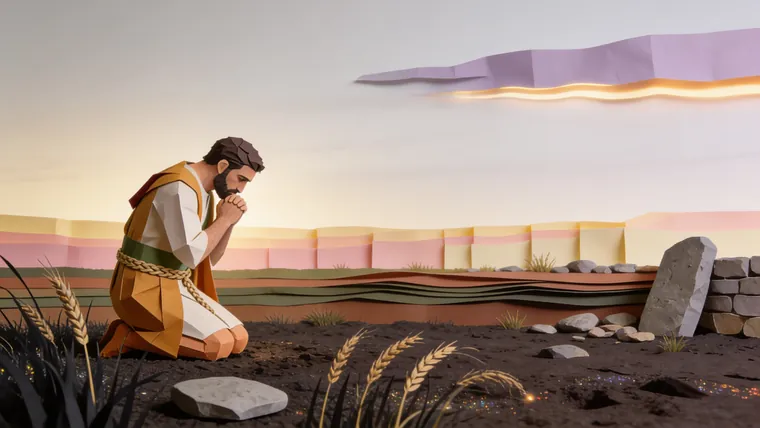
Isaac prays, and twins are on the way (Genesis 25:21)

"The elder shall serve the younger" (Genesis 25:23)

The hunter and the tent-dweller (Genesis 25:27-28)
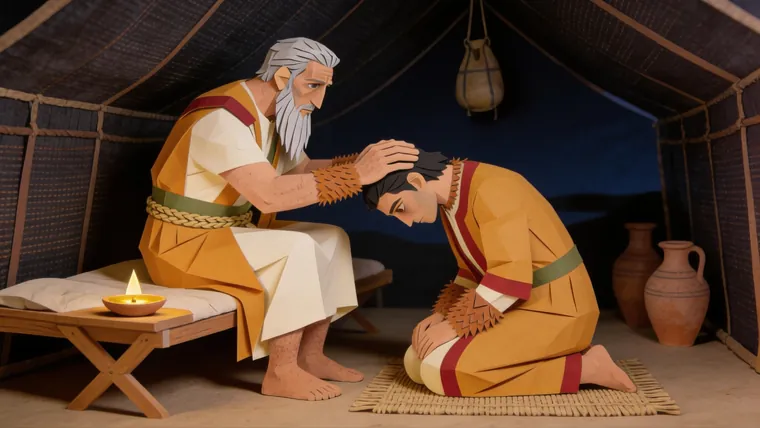
A birthright for a bowl of stew (Genesis 25:29-34)
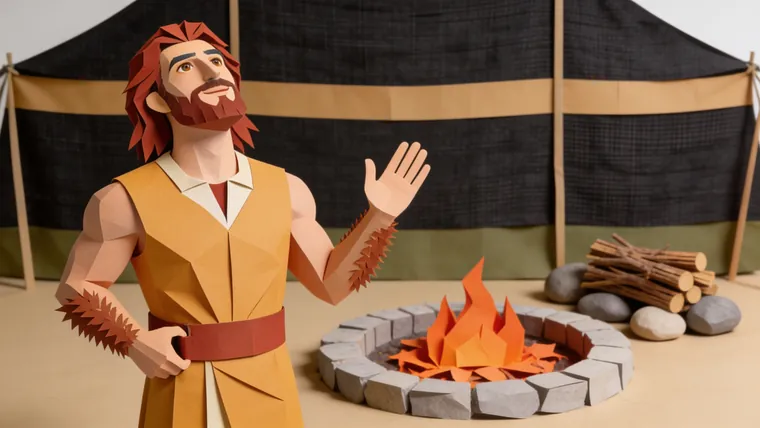
Esau despises what was his (Genesis 25:34)
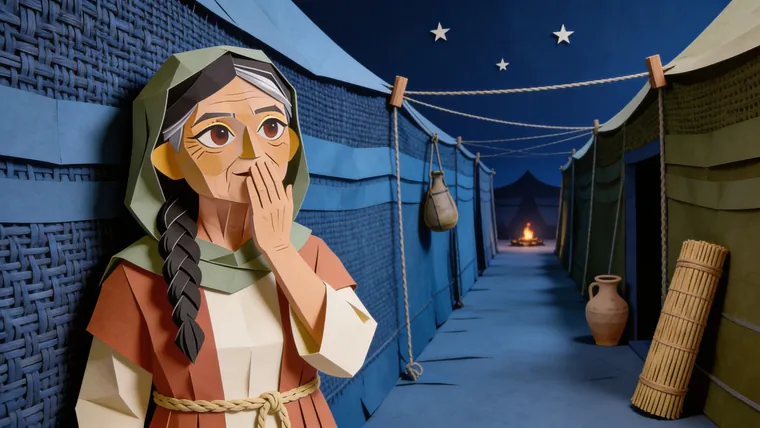
Rebekah's plan (Genesis 27:5-13)
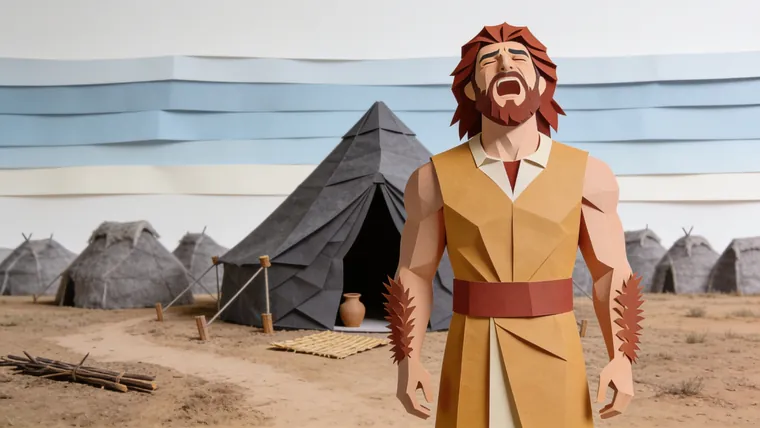
Goat skins and borrowed robes (Genesis 27:15-17)
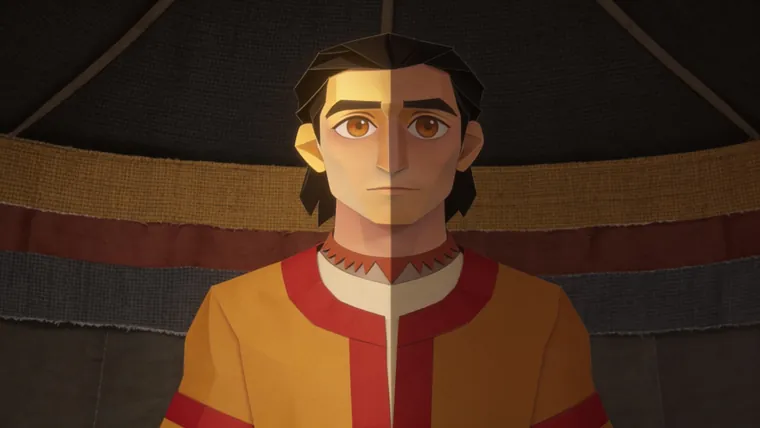
"I am Esau thy firstborn" (Genesis 27:18-27)
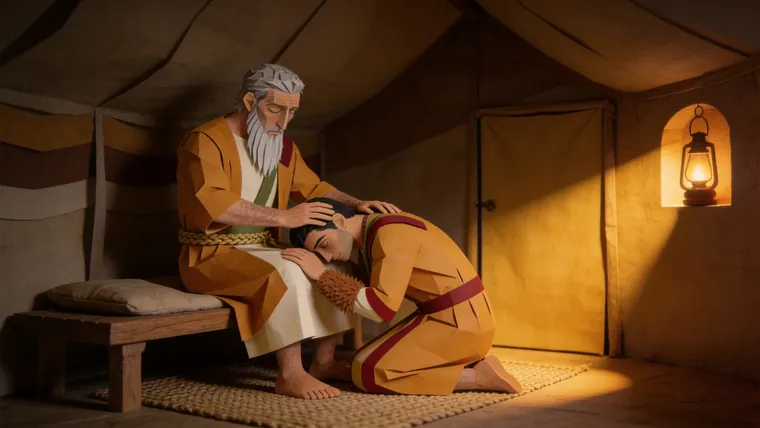
The blessing comes down (Genesis 27:28-29)

Esau's bitter cry and his threat (Genesis 27:30-41)
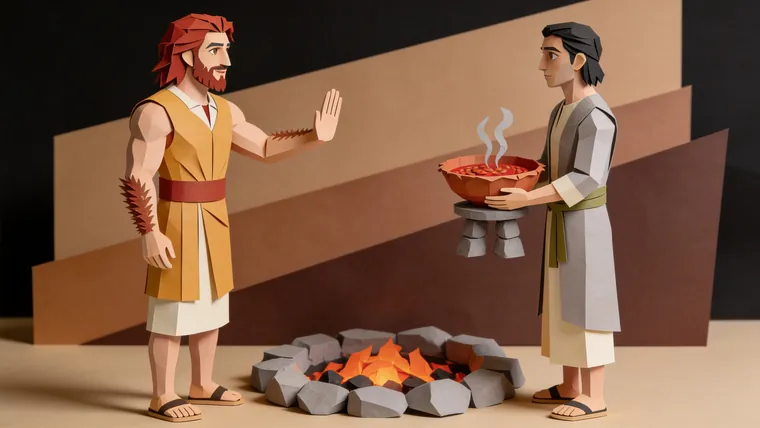
Rebekah sends Jacob away (Genesis 27:42-45)

Chosen before their deeds (Romans 9:11-12)
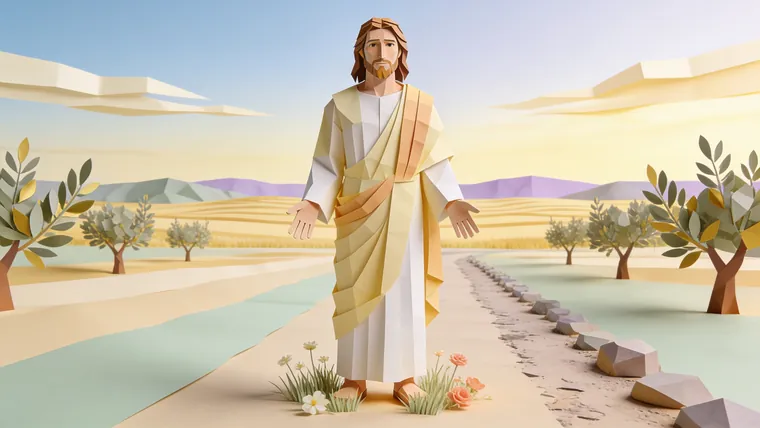
The true Firstborn (2 Corinthians 5:21)
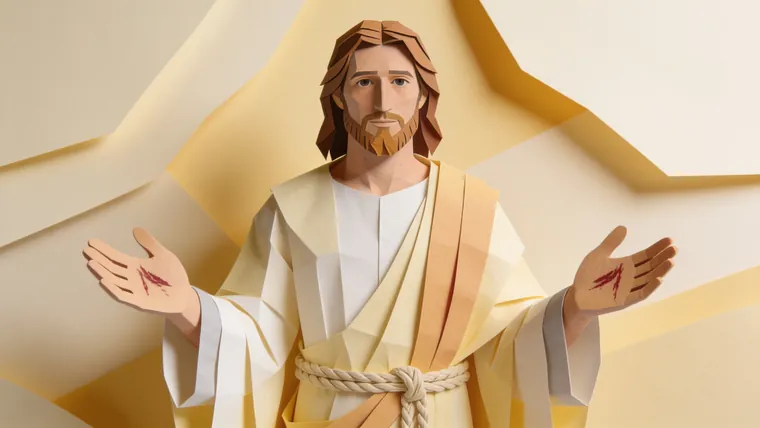
Nothing stolen, only given
Quoted line for line from the King James Version.
And Isaac intreated the LORD for his wife, because she was barren: and the LORD was intreated of him
Two nations are in thy womb, and two manner of people shall be separated from thy bowels; and the one people shall be stronger than the other people; and the elder shall serve the younger.
red, all over like an hairy garment
Esau was a cunning hunter, a man of the field; and Jacob was a plain man, dwelling in tents.
Isaac loved Esau, because he did eat of his venison: but Rebekah loved Jacob.
Feed me, I pray thee, with that same red pottage; for I am faint
Sell me this day thy birthright.
Behold, I am at the point to die: and what profit shall this birthright do to me?
thus Esau despised his birthright.
his eyes were dim, so that he could not see
And make me savoury meat, such as I love, and bring it to me, that I may eat; that my soul may bless thee before I die.
Upon me be thy curse, my son: only obey my voice
Who art thou, my son?
I am Esau thy firstborn
How is it that thou hast found it so quickly, my son?
Because the LORD thy God brought it to me.
The voice is Jacob's voice, but the hands are the hands of Esau.
the smell of my son is as the smell of a field which the LORD hath blessed
Let people serve thee, and nations bow down to thee: be lord over thy brethren
And Isaac trembled very exceedingly
cried with a great and exceeding bitter cry
Bless me, even me also, O my father.
He took away my birthright; and, behold, now he hath taken away my blessing.
Hast thou not reserved a blessing for me?
And Esau lifted up his voice, and wept.
then will I slay my brother Jacob
a few days
not of works, but of him that calleth
For he hath made him to be sin for us, who knew no sin; that we might be made the righteousness of God in him.
Everything for this story in one place. Pick where to start.
Small details that pay off later. The gold marks are seeds the ending grows from.
Isaac intreated the LORD for barren Rebekah; the LORD was intreated of him, the promise moves by prayer, not autopilot
Pays off → Echoes ep09's answered-prayer thread
God's choice spoken BEFORE the twins were born: the elder shall serve the younger
Pays off → The grace landing, not of works
Esau born red, all over like an hairy garment (why the goat-skin trick can work)
Pays off → The goat-skin disguise
Jacob born gripping Esau's heel, named heel-catcher/supplanter
Pays off → Esau's 27:36 'rightly named' line
Esau a cunning hunter, man of the field; Jacob a plain man, dwelling in tents
Isaac loved Esau for his venison; Rebekah loved Jacob, favouritism as the family crack
Pays off → The two schemes (Isaac's private blessing, Rebekah's counter-plot)
The RED lentil pottage Esau begs for (hence Edom)
Jacob names his price and Esau swears the birthright away
Scripture's own cold verdict: thus Esau despised his birthright
Isaac old, eyes dim so he could not see, the whole deception rests on this
Quiver, bow, venison, savoury meat, that my soul may bless thee before I die
Two goat kids for the meal; goat skins on Jacob's hands and the smooth of his neck; Esau's own best raiment kept in the house
Pays off → The hands motif in the outro
Rebekah takes the risk on herself: Upon me be thy curse, my son
Pays off → She pays, never sees Jacob again
I am Esau thy firstborn; and dragging God in: Because the LORD thy God brought it to me
The voice is Jacob's voice, but the hands are the hands of Esau, the ears told the truth and were overruled
Isaac smells Esau's robes: the smell of a field which the LORD hath blessed, third sense fooled
Dew of heaven, fatness of the earth, corn and wine, let people serve thee, Abraham's blessing passing down
Isaac trembled very exceedingly, he sees it all and cannot take it back
Esau's great and exceeding bitter cry; Bless me, even me also, O my father; and he lifted up his voice and wept
Is not he rightly named Jacob, birthright and blessing both taken (pays off the heel)
Esau's counter-blessing with iron in it: live by the sword, serve his brother, one day shake the yoke from his neck, something, but not the covenant
Esau counts to the funeral: then will I slay my brother Jacob
Rebekah's 'a few days' becomes twenty years, she never sees Jacob again; the scheme's hidden price
The choice made before the children had done good or evil, not of works, but of him that calleth
The grace landing, He was made sin for us so we might be made the righteousness of God in Him; the blessing worn, not stolen
All 29 quoted spans were verified word for word against the King James Version, then read for fairness and reverence before a single frame was made. Mira & Tov are companions in a dramatized retelling, not people from the Bible.
Jacob stole a blessing by wearing his brother's clothes. Christians see a bigger picture: Christ, who was treated as the guilty one, clothes us in His own righteousness: "For he hath made him to be sin for us, who knew no sin; that we might be made the righteousness of God in him" (2 Corinthians 5:21).
Mira's question, straight out: the liar walked away with the blessing, and the brother who lost it stood outside and wept out loud. Where is the fairness in that? Argue with us below. Every verse linked: https://fur-given.com/episodes/10_jacob_esau/
Short answers, straight from the King James Version.
The Bible does not excuse the lie. Everyone in the story is at fault: Esau "despised his birthright" (Genesis 25:34), Isaac meant to bless the wrong son, and Rebekah planned the trick. But God had already said, before the twins were born, "the elder shall serve the younger" (Genesis 25:23). The promise rested on His choice, not on anyone's good behaviour (Romans 9:11-12).
He traded the place of the firstborn, with its promise, for one meal of red stew. The text is blunt: "he did eat and drink, and rose up, and went his way: thus Esau despised his birthright" (Genesis 25:34). Later he wanted the blessing back and could not have it (Genesis 27:38).
He was not sure. Isaac was old and blind, so he felt the goatskins on Jacob's hands and smelled Esau's clothes. Yet something bothered him: "The voice is Jacob's voice, but the hands are the hands of Esau" (Genesis 27:22). The disguise worked because Isaac trusted touch over what he heard.
Short, vertical cuts, each built around one verse.
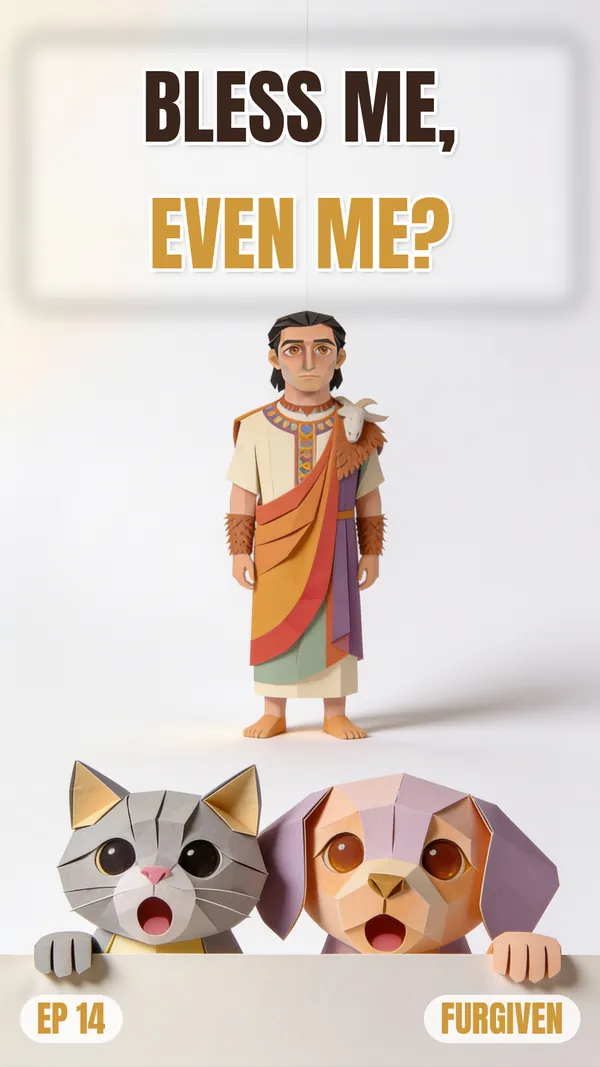
Esau came in from the hunt with the meal his father asked for, and the blessing was already given away.
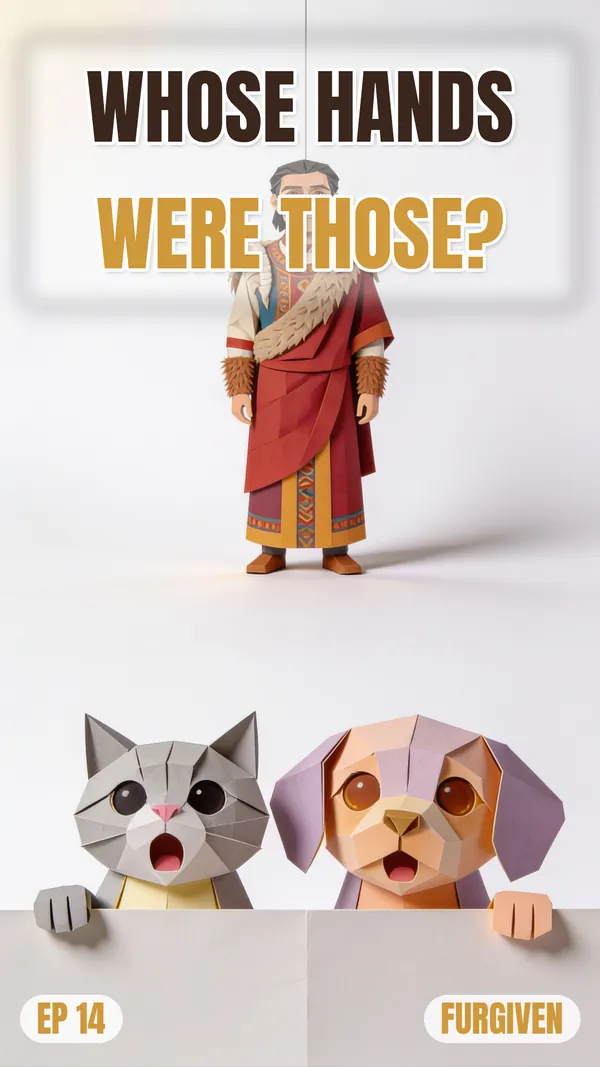
Jacob came to his blind father's tent with goat skins on his hands. Isaac knew the voice was Jacob's, then trusted the hands.
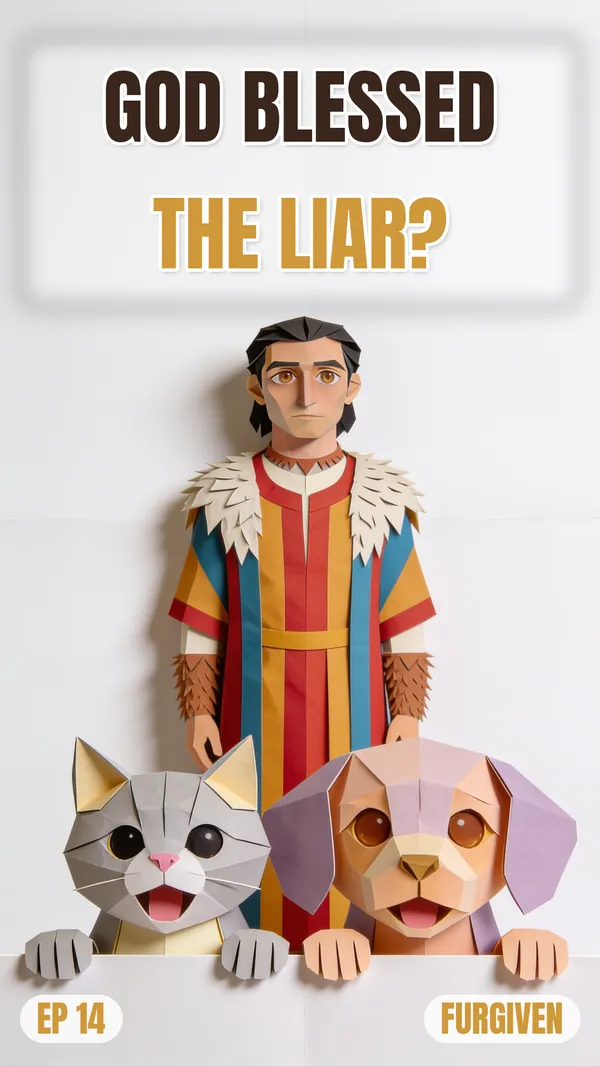
The blessing was stolen with a lie, and nothing in Genesis takes it back. No lightning.
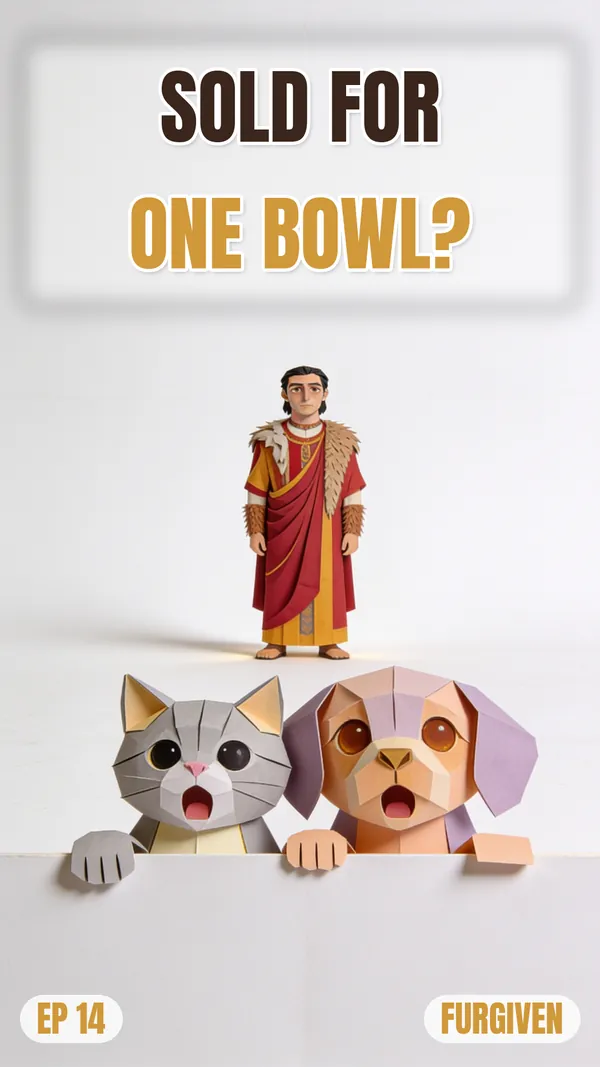
The family's greatest inheritance once sold for a bowl of red soup. Esau said he was about to die anyway.