
Mira · doubt
"I will go. Just like that? She has never met him. And she is leaving today."
Episode 13 · Watch
I Will Go
Her whole family already said yes. Now it is Rebekah's turn to answer: will you go?

And she said, I will go.Genesis 24:58
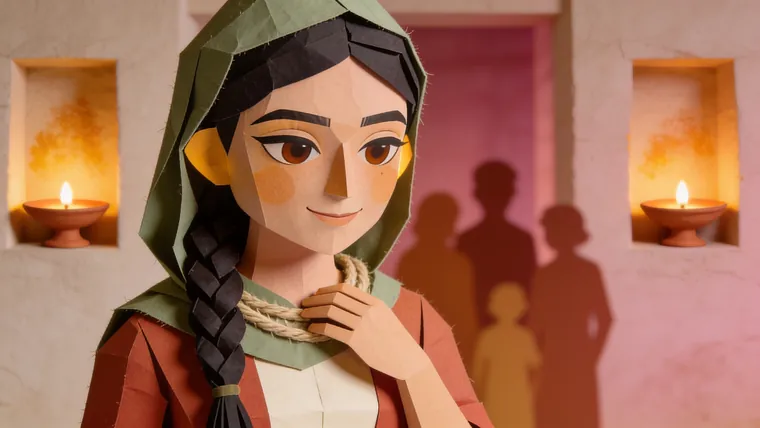
A whole family has just agreed to something on a young woman's behalf: a marriage, far away, to a man she has never met. Everyone has said yes. There is one voice left to hear, hers. And the question they finally put to her is not whether. It's when. Will you go, now, today?
Mira doubts. Tov trusts. The show lives in the space between them.
"I will go. Just like that? She has never met him. And she is leaving today."

"I remembered who arranged the well. If He is the one calling her out, then I will go is not reckless, it is the safest thing she will ever say."
Every beat of the film, in order, with the frame that carries it.
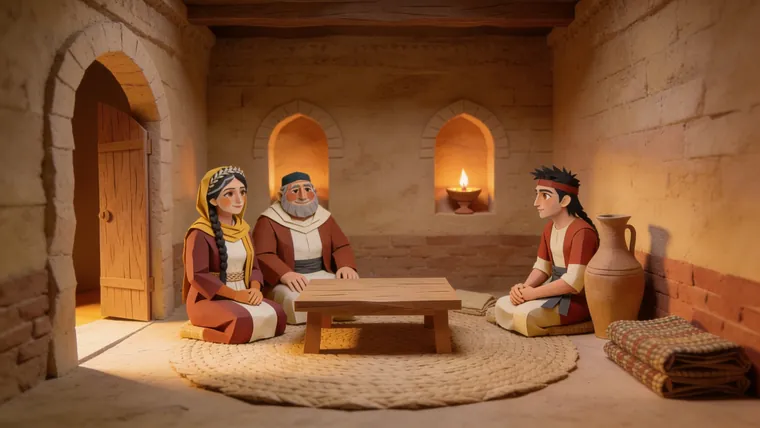
Mira hears the question
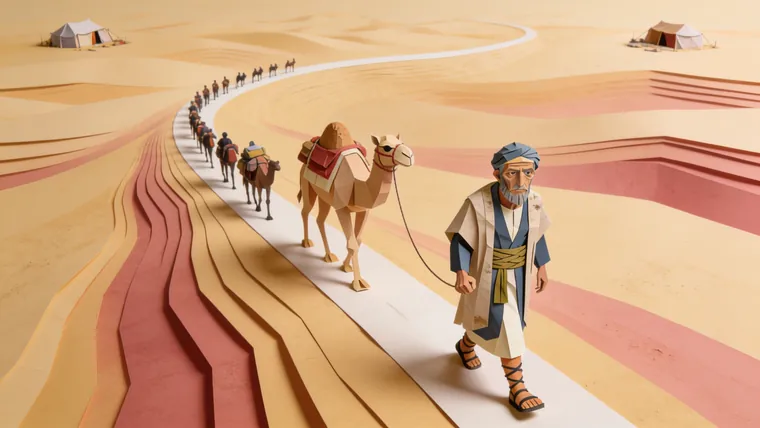
Abraham sends the servant
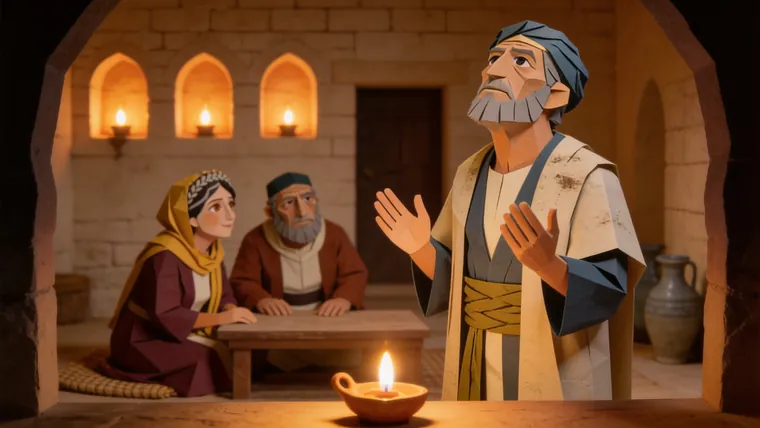
A prayer at the well
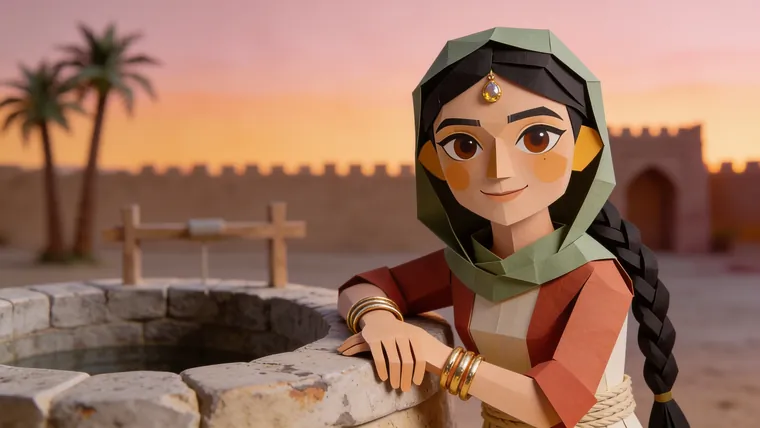
Rebekah gives water
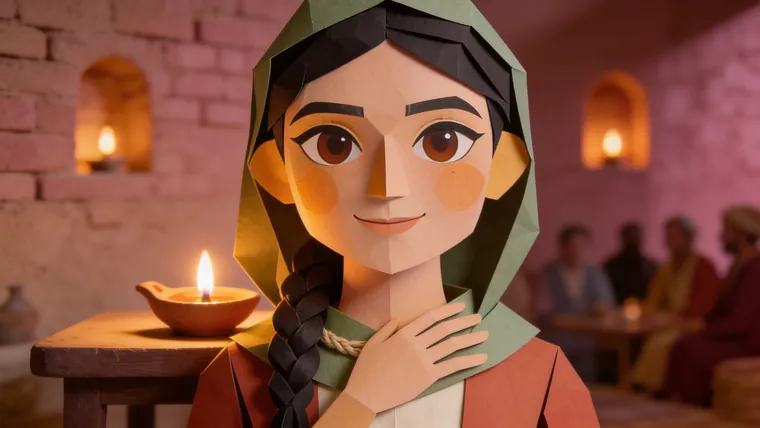
The family hears the story
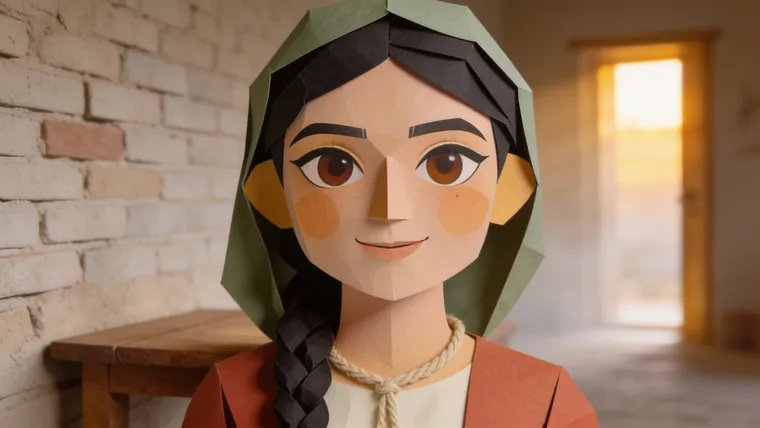
"I will go"
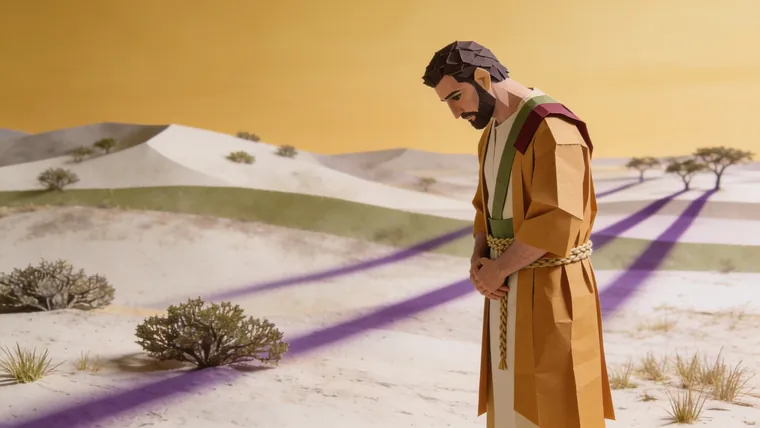
Isaac meets Rebekah
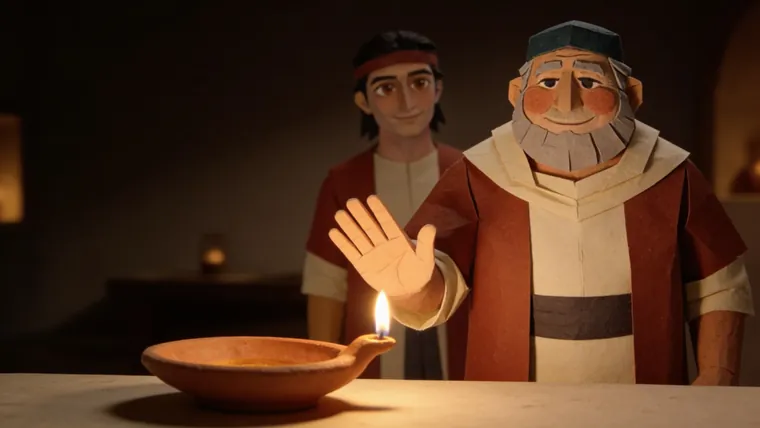
The promise keeps moving
Quoted line for line from the King James Version.
In thy seed shall all the nations of the earth be blessed.
The thing proceedeth from the LORD.
Wilt thou go with this man? And she said, I will go.
be thou the mother of thousands of millions, and let thy seed possess the gate of those which hate them.
Whom having not seen, ye love.
he lifted up his eyes, and saw, and, behold, the camels were coming.
and he loved her: and Isaac was comforted after his mother's death.
Christ also loved the church, and gave himself for it.
the marriage of the Lamb is come, and his wife hath made herself ready.
Everything for this story in one place. Pick where to start.
Small details that pay off later. The gold marks are seeds the ending grows from.
The servant publicly retells the whole errand to the family (oath, prayer, sign) BEFORE any answer; they judge it: The thing proceedeth from the LORD (public, accountable, not a stranger in the dark)
Pays off → Faith is evidenced + public, not gullibility
Rebekah leaves with her nurse and maids (not alone) and, like Abraham, leaves her country and kindred carrying the promise forward
Wilt thou go with this man? And she said, I will go, brave consent within an already-arranged, family-blessed process (the question is immediate departure, not whether to marry)
Pays off → Faith: love him unseen
Her family blesses Rebekah as she leaves: be thou the mother of thousands of millions (the countless-seed promise carried by the bride)
Pays off → The covenant seed the bride carries -> Christ
Loving Someone never seen, whom having not seen, ye love (Rebekah riding toward an unseen bridegroom)
Isaac went out to meditate in the field at eventide, lifted his eyes, saw the camels coming
Pays off → The Bridegroom in the field as the bride comes
Isaac brought her into the tent, she became his wife, and he loved her; and Isaac was comforted
The cross tie-in, Christ also loved the church, and gave himself for it (He loved first)
The grace landing, the marriage of the Lamb is come, and his wife hath made herself ready
All 0 quoted spans were verified word for word against the King James Version, then read for fairness and reverence before a single frame was made. Mira & Tov are companions in a dramatized retelling, not people from the Bible.
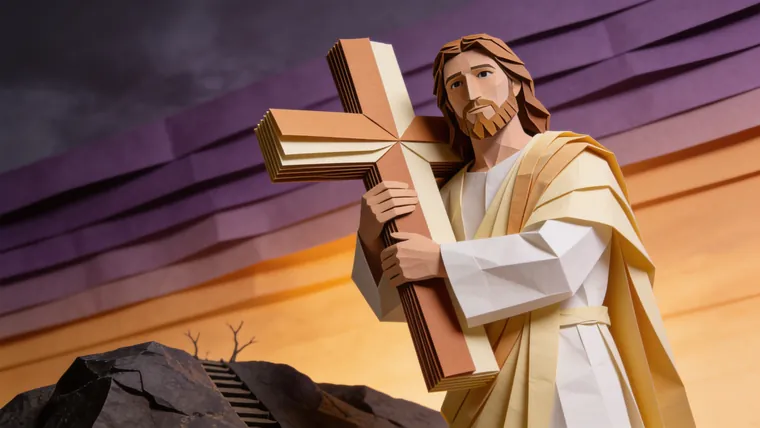
Genesis 24 was only the first sketch of a bigger wedding. This whole story, the father who sends, the servant who seeks, the bride who is found, has long looked to Christians like a picture of Christ and His Church. The Bible ends with the real one: "the marriage of the Lamb is come, and his wife hath made herself ready" (Revelation 19:7).
Rebekah left her entire family behind based on faith. Mira struggles with this: would you have been able to say "I will go" like she did?
Short answers, straight from the King James Version.
He publicly retold the whole errand first, the oath, the prayer, the sign at the well, and only then did the family weigh it: "The thing proceedeth from the LORD: we cannot speak unto thee bad or good" (Genesis 24:50). Their faith was public and accountable, not a private feeling acted on in the dark.
Not just marriage, but leaving that same day for a husband she had never met: "Wilt thou go with this man? And she said, I will go" (Genesis 24:58). It's the same unseen love Peter later describes in believers: "Whom having not seen, ye love" (1 Peter 1:8).
Isaac was out waiting in the field when he saw Rebekah's camels coming (Genesis 24:63), a father-sent bride arriving for a bridegroom she'd never seen. Paul later names the pattern outright, "Christ also loved the church, and gave himself for it" (Ephesians 5:25), and Revelation ends the whole story: "the marriage of the Lamb is come" (Revelation 19:7).
Short, vertical cuts, each built around one verse.
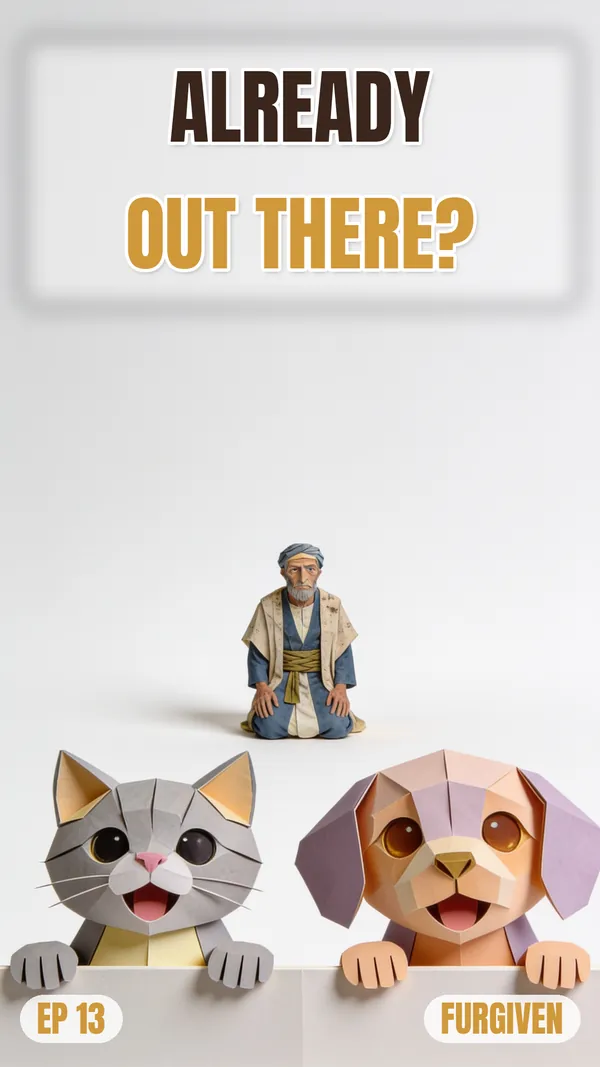
Isaac was already in the field when Rebekah arrived. Genesis 24:63: "Isaac went out to meditate in the field at the eventide: and he lifted up his eyes, and saw, and, behold, the camels were coming."

Her whole family had already said yes. Then someone finally asked Rebekah herself.

Genesis 24: was that reckless, or the safest thing she ever said? Full story: https://fur-given.com/episodes/09b_isaac_rebekah/

A father sent a servant to find his son a bride. Christians have seen a second story in it for 2,000 years.