
Mira · doubt
"What is actually wrong with ambition, with reaching the sky ourselves?"
Episode 05 · Watch
A whole world builds a tower to make a name for itself. God comes down and scatters them, to save them.
let us make us a name, lest we be scattered abroad.Genesis 11:4
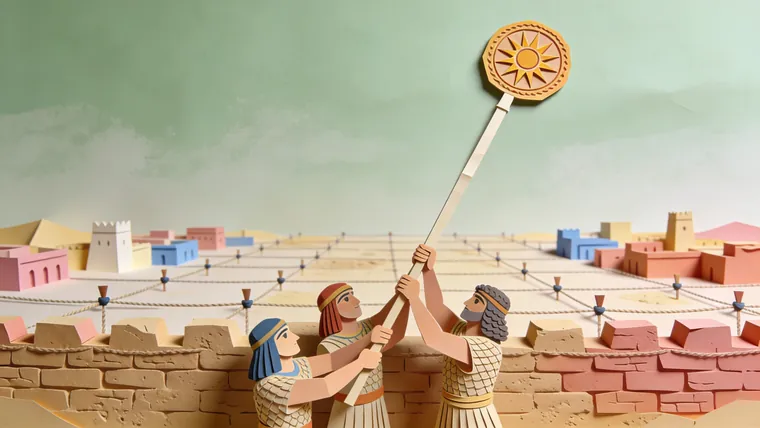
United by one language, people gather on a plain and build upward, to make a name and avoid being scattered. God comes down, confuses their speech, and scatters them across the earth. The very thing they feared becomes mercy.
Mira doubts. Tov trusts. The show lives in the space between them.
"What is actually wrong with ambition, with reaching the sky ourselves?"

"We were made to look up, not climb up. And He came down to us."
Every beat of the film, in order, with the frame that carries it.
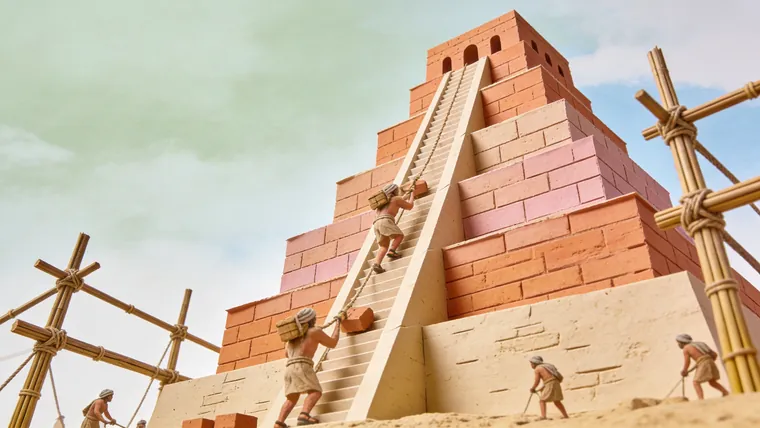
A tower to heaven, and the LORD came down
Mira and Tov: I'm on the humans' side
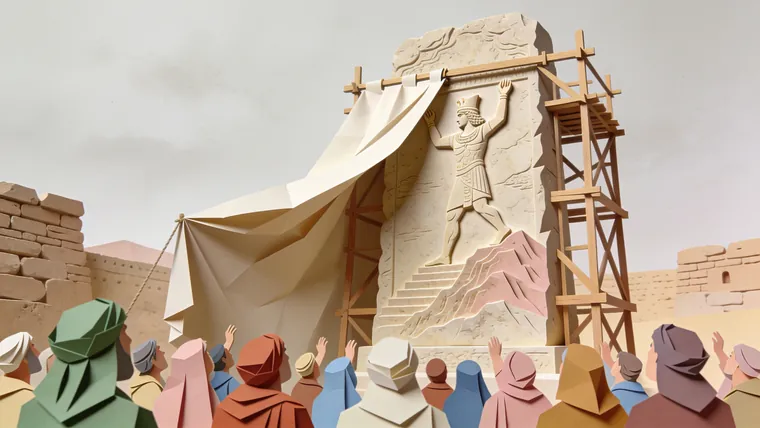
One language, and let us make us a name

What is the sin in reaching high?
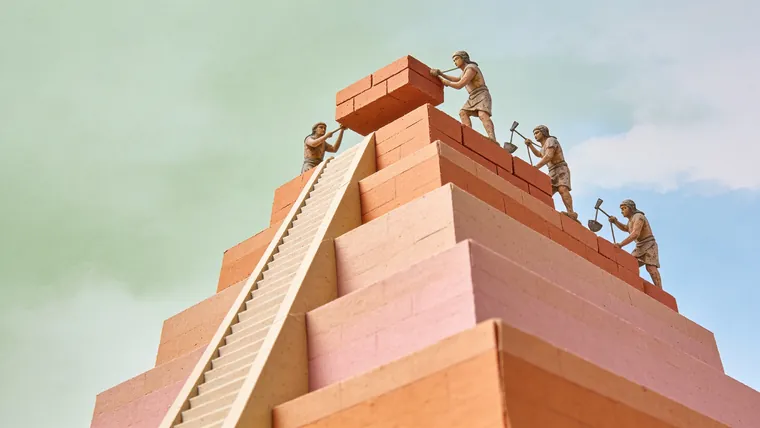
The LORD came down to see the tower
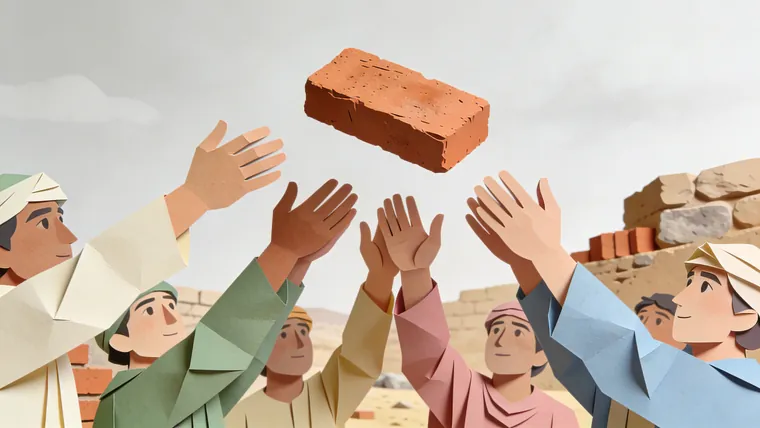
Now nothing will be restrained
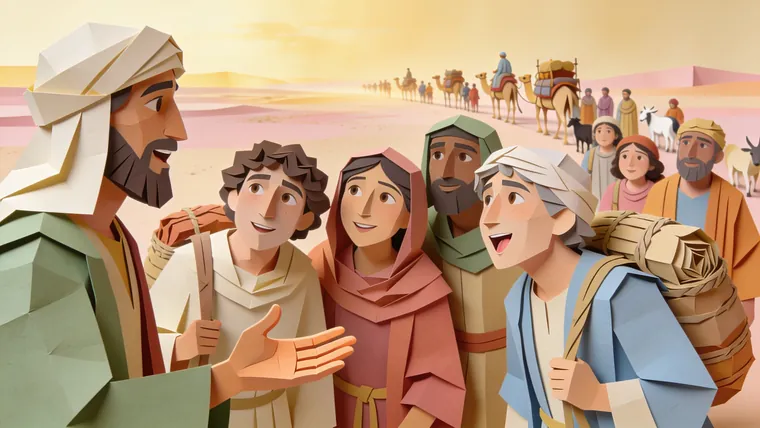
Let us go down and confound their language
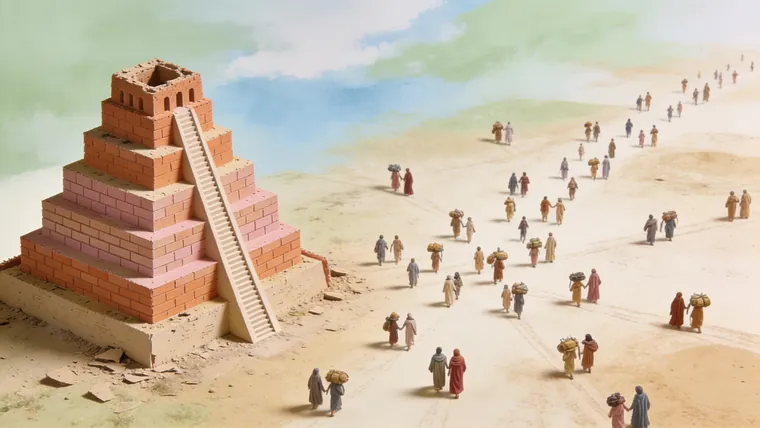
Scattered, and the place named Babel
A fence at the edge of a cliff
Pentecost: God came down again
Mira and Tov: a name given, not built
Quoted line for line from the King James Version.
as they journeyed from the east
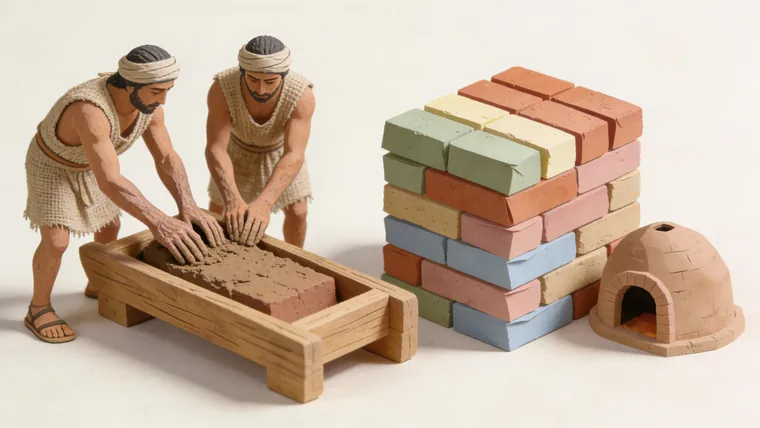
they had brick for stone, and slime had they for morter
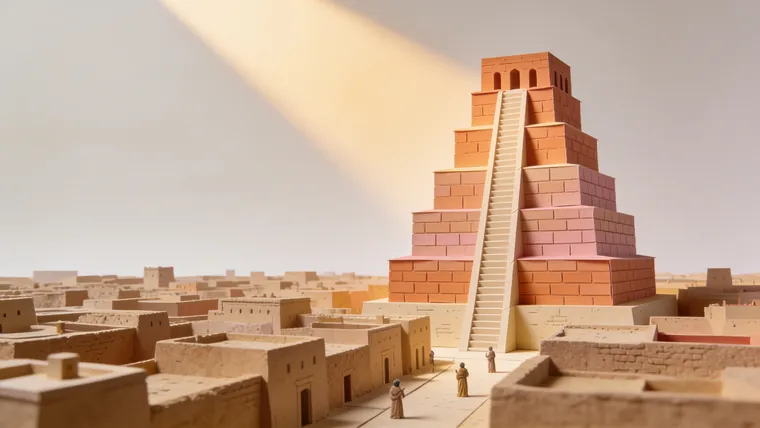
Go to, let us build us a city and a tower, whose top may reach unto heaven; and let us make us a name, lest we be scattered abroad upon the face of the whole earth
And the LORD came down to see the city and the tower, which the children of men builded
nothing will be restrained from them, which they have imagined to do
Go to, let us go down, and there confound their language, that they may not understand one another's speech
the multitude came together, and were confounded ... every man heard them speak in his own language
there came a sound from heaven as of a rushing mighty wind ... cloven tongues like as of fire
the LORD did there confound the language of all the earth
began to speak with other tongues, as the Spirit gave them utterance
we do hear them speak in our tongues the wonderful works of God
given him a name which is above every name
Everything for this story in one place. Pick where to start.
Small details that pay off later. The gold marks are seeds the ending grows from.
The whole earth was of one language, and of one speech
As they journeyed from the east they found a plain in Shinar (a people on the move who decide to stay)
A plain in the land of Shinar
Brick for stone, and slime had they for morter
Go to, let us make brick / let us build (the self-rallying cry God later mirrors)
Pays off → God's 'Go to, let us go down' mirror
Let us make us a name
Lest we be scattered abroad upon the face of the whole earth (their motive, fear of scattering)
Pays off → God scatters them (v8), the exact thing they feared, the central irony
The LORD came down to see the city and the tower
Which the children of men builded (to God the sky-tower is the work of mere children of men)
Pays off → The up/down gap, how small it is from heaven
Now nothing will be restrained from them, which they have imagined to do
Let us go down, and there confound their language
The LORD scattered them abroad upon the face of all the earth
The name of it called Babel; because the LORD did there confound the language
A rushing mighty wind and cloven tongues like as of fire (heaven comes DOWN as wind and fire)
Pays off → The visual answer to 'He came down'
Began to speak with other tongues, as the Spirit gave them utterance
Out of every nation under heaven, each heard in their own tongue (Babel re-gathered)
A name which is above every name (given to the Son)
Pays off → The Name God GIVES vs the name they tried to MAKE
All 9 quoted spans were verified word for word against the King James Version, then read for fairness and reverence before a single frame was made. Mira & Tov are companions in a dramatized retelling, not people from the Bible.
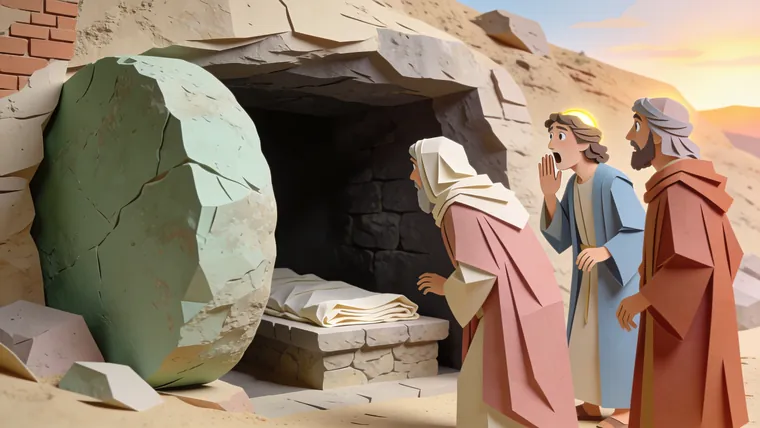
The name we tried to seize, God freely gives in Jesus (Philippians 2:9). Babel's scattered tongues are gathered again at Pentecost (Acts 2).
Mira came in on the humans' side. It sounded to her like God feeling threatened, until she heard God's own reason in the text. Was Babel mainly judgment, mercy, or both? Drop your honest read below. Subscribe if you want the next Genesis story with us.
Short answers, straight from the King James Version.
It reads as both. God confused their language and scattered them (Genesis 11:8), the very thing they built the tower to avoid (Genesis 11:4). Many Christians also see mercy in it: the scattering restrained a united pride from which 'nothing will be restrained' (Genesis 11:6). Later, at Pentecost, the gospel went out and 'every man heard them speak in his own language' (Acts 2:6), a gathering around one message that many read as grace answering Babel.
That is the irony Genesis draws out. The people built a tower whose 'top may reach unto heaven' (Genesis 11:4), yet 'the LORD came down to see the city and the tower' (Genesis 11:5). The reach that felt so high to them was, from heaven, something God came down to see. Christians have long heard a deeper note in it: the real coming-down is grace, as God comes down to us, and finally in Jesus.
Many Christians see a deliberate contrast. At Babel God scattered one language into many in judgment (Genesis 11:9); at Pentecost the nations heard the one gospel, each in his own language (Acts 2:6), a gathering by grace. And the name the builders tried to make for themselves (Genesis 11:4) is answered by the name God freely gives His Son, 'a name which is above every name' (Philippians 2:9).
Short, vertical cuts, each built around one verse.
Genesis 11:3: brick for stone, slime for morter. Mira didn't catch it the first time either.
Who doesn't want to make a name for themselves? Mira gets it, until Genesis 11 names what they were really building.
Tower of Babel, Genesis 11: if they were building up to heaven, why did the LORD come down to see the tower?
Mira thought Babel was God getting jealous of us. Then she heard God's own reason in Genesis 11.
Tower of Babel: was it God's anger, or his mercy? This short does not answer it.