
Mira · doubt
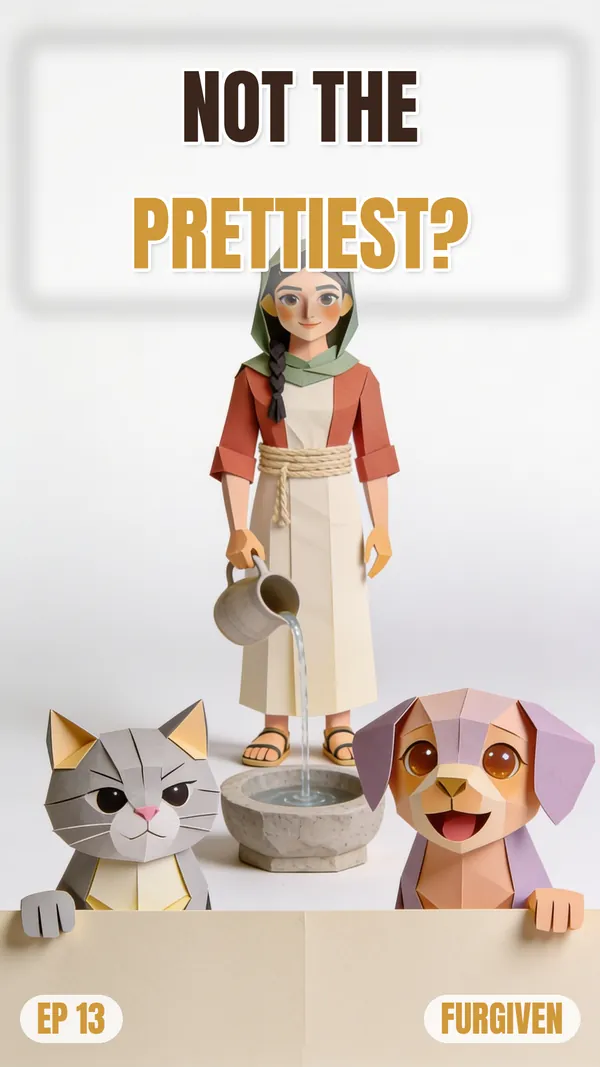
"That is his sign from heaven? Whoever offers to water the camels? That is not a miracle, that is just a nice person."
Episode 12 · Watch
The Bride at the Well
A servant prays for one exact sign at a well, and a stranger answers it before he even finishes asking.

I being in the way, the LORD led me.Genesis 24:27
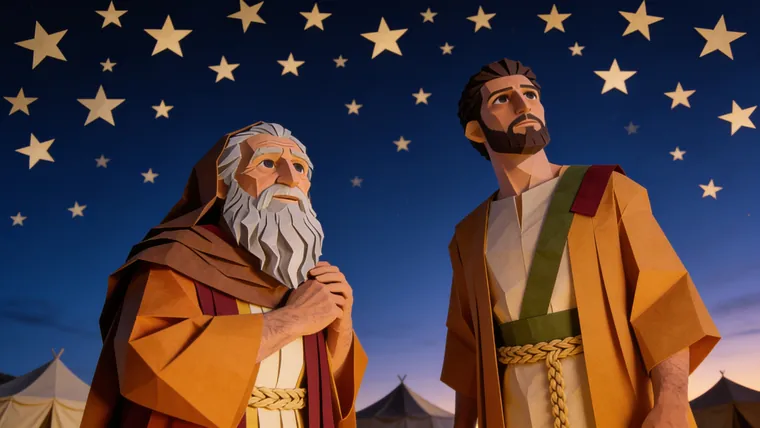
Isaac never went looking for a wife. He stayed home. His father, old now and well stricken in age, sent a servant instead: go a long way off, to strangers, and bring back a bride for my son. Out at a well in the middle of nowhere, this servant is about to stake the whole errand on a single, secret sign, and wait to see if heaven answers.
Mira doubts. Tov trusts. The show lives in the space between them.
"That is his sign from heaven? Whoever offers to water the camels? That is not a miracle, that is just a nice person."

"He is not asking God for a face. He is asking for a heart."
Every beat of the film, in order, with the frame that carries it.
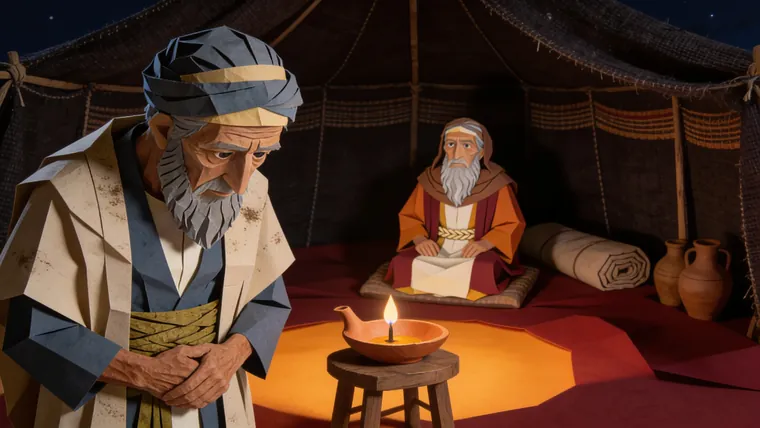
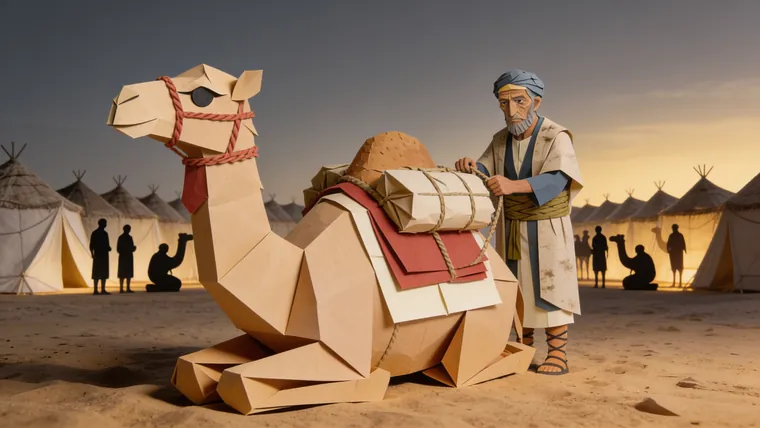
Abraham sends his servant
The promise matters
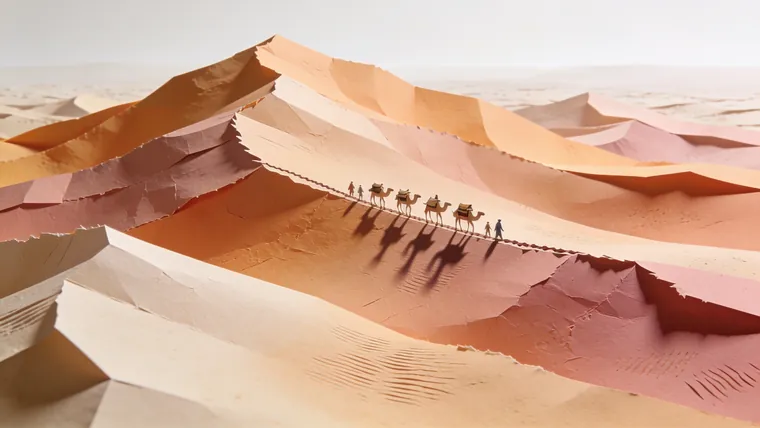
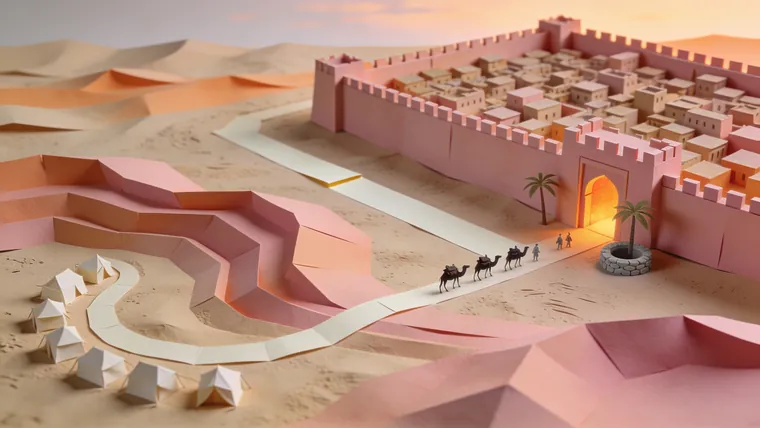
A long road to Nahor
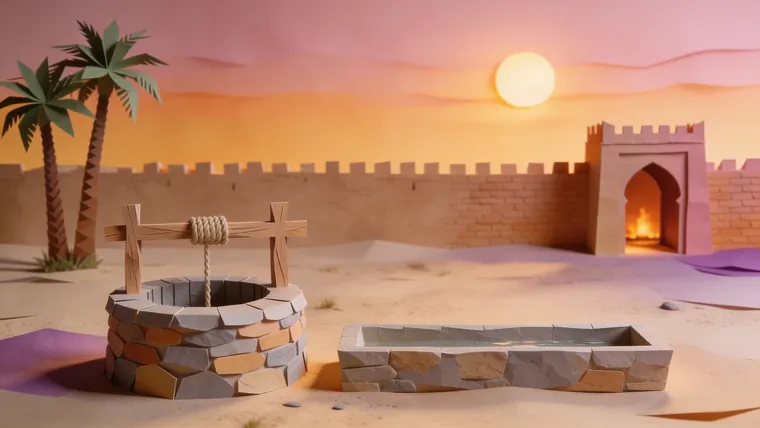
The prayer at the well
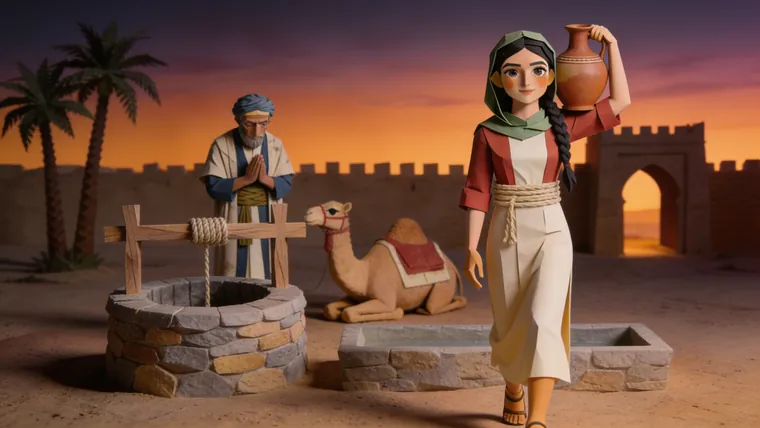
Rebekah gives water
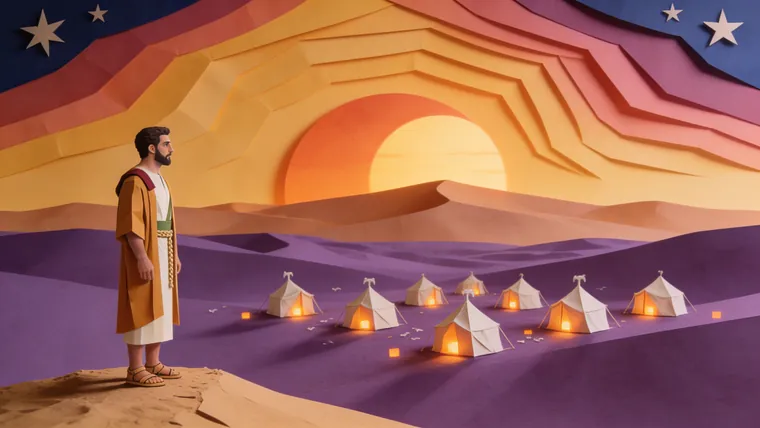
The servant learns her family
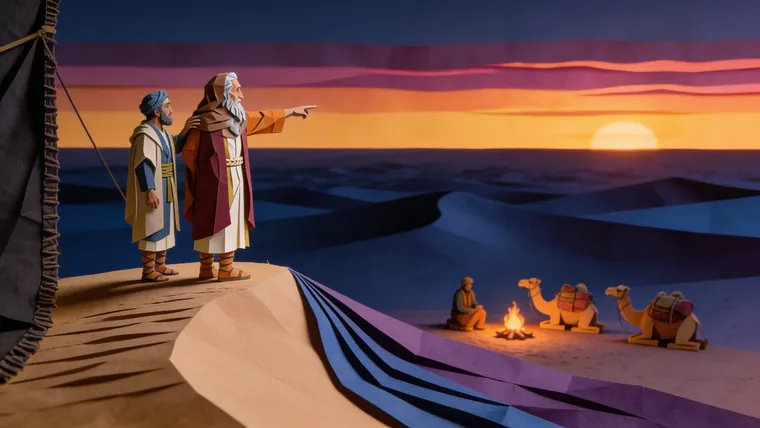
The house hears the story
Was it God, or just a lucky guess?
What actually moved this whole day
Mira and Tov: stay with us
Quoted line for line from the King James Version.
In thy seed shall all the nations of the earth be blessed.
the damsel to whom I shall say, Let down thy pitcher, I pray thee, that I may drink; and she shall say, Drink, and I will give thy camels drink also: let the same be she that thou hast appointed for thy servant Isaac.
I will draw water for thy camels also, until they have done drinking.
I being in the way, the LORD led me.
I will not eat, until I have told mine errand.
We love him, because he first loved us.
the Son of man is come to seek and to save that which was lost.
Everything for this story in one place. Pick where to start.
Small details that pay off later. The gold marks are seeds the ending grows from.
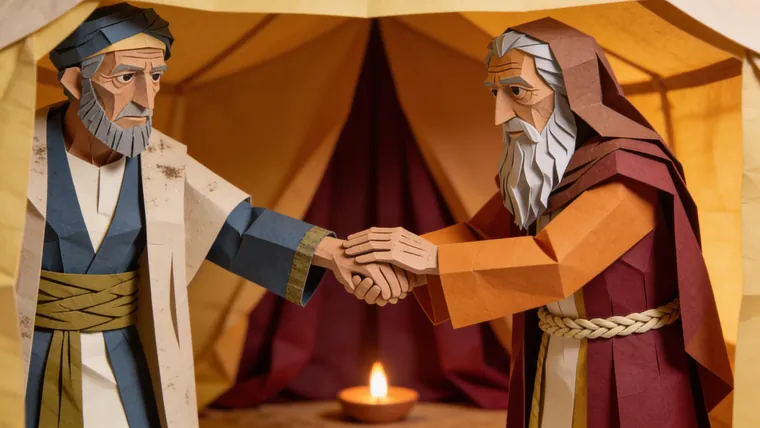
Abraham makes the servant swear: take a wife for my son Isaac from his kindred, not of the Canaanites
Pays off → The Father sends for a bride for the Son
The LORD shall send his angel before thee, providence goes ahead of the servant
Pays off → The Father goes ahead / seeks first
The servant takes ten camels and the best of his master's goods
The servant prays a specific sign: the woman who gives him drink AND waters his camels
Rebekah gives him drink then draws for ALL the camels (the sign fulfilled + huge willing labor)
Before he had done speaking, Rebekah came out, God answers before the prayer is finished
The servant gives her a golden earring and bracelets (betrothal gifts from the son's house)
Pays off → Gifts of the Spirit to the bride
The servant bows and worships: I being in the way, the LORD led me
Laban runs out to the well when he sees the gold (his gold-eye introduced; matters later in Jacob's story)
Pays off → Series continuity, Laban in the Jacob arc
Food is set before the servant and he refuses it until he has told his errand
Pays off → The servant self-effacing, all for the master/son
The initiative is God's, we love him because he first loved us
The grace landing, the Son of man is come to seek and to save that which was lost (the seeking God the errand pictures)
All 0 quoted spans were verified word for word against the King James Version, then read for fairness and reverence before a single frame was made. Mira & Tov are companions in a dramatized retelling, not people from the Bible.
And that same seeking heart has a name. When Jesus the Christ came, He said it plainly about Himself: "the Son of man is come to seek and to save that which was lost" (Luke 19:10). A God who will not wait at home for the worthy to arrive, but goes out, the whole way, after people who could never have found their own way to Him. That is the gospel in a single line: not a ladder we climb up to God, but a God who comes the whole distance down to us.
If you were Abraham's servant, would you have trusted a sign like that? Mira isn't so sure she'd have the patience to wait for ten camels to finish drinking.
Short answers, straight from the King James Version.
Abraham was "old, and well stricken in age" (Genesis 24:1) and bound his servant by oath to find a wife for Isaac from his own kindred, not from Canaan (Genesis 24:2-4). Isaac never has to go and win her himself, the promise rests on the father sending, not the son's legwork.
He prayed for a very specific test before Rebekah ever appeared: the woman who would not only give him a drink but volunteer, "I will draw water for thy camels also, until they have done drinking" (Genesis 24:14, 19-20). Ten thirsty camels drink an enormous amount, he wasn't testing for a pretty face. He was testing for a willing, hardworking heart.
It's the servant's own explanation (Genesis 24:27), spoken the moment he learns Rebekah is Abraham's own family. He doesn't take credit for finding her, he says he was simply walking, and God did the leading, the same seeking love Jesus later describes of Himself: "the Son of man is come to seek and to save that which was lost" (Luke 19:10).
Short, vertical cuts, each built around one verse.
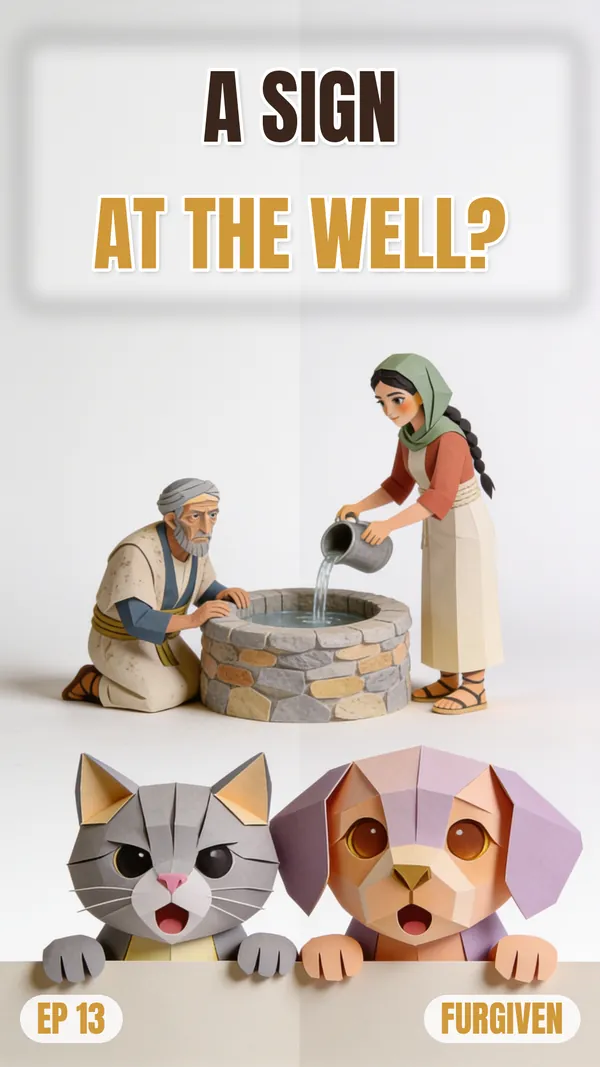
A servant asks for a sign at the well, and Rebekah says the exact words.

Mira can't get past Abraham's servant: he finds Rebekah, gives the gold, and refuses the credit.
Was the camel test just good manners?

Would Rebekah leave everything and go?