
Mira · doubt
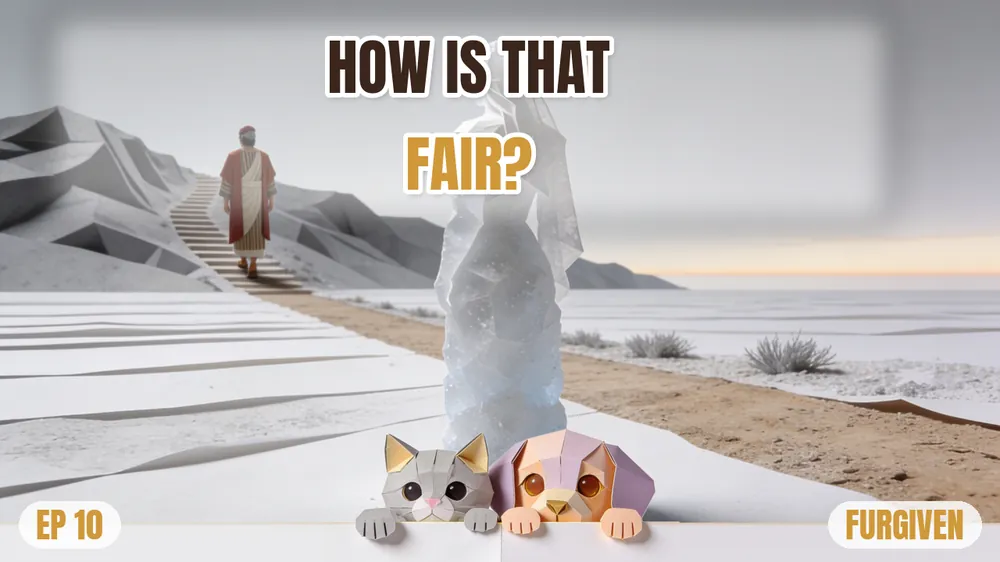
"He's about to burn a whole city. How is that fair? How is that the good guy?"
Episode 10 · Watch
Abraham pleads for a doomed city, and God says yes to every number he names. When the fire falls anyway, mercy still reaches in and pulls one family out by the hand.
Shall not the Judge of all the earth do right?Genesis 18:25
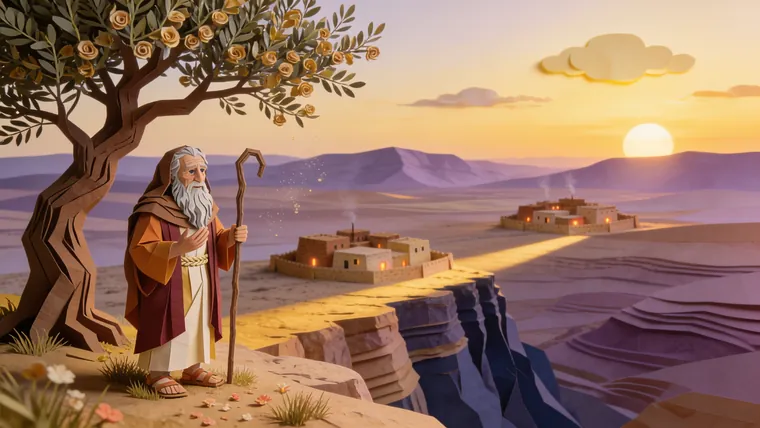
On a ridge above the plain, Abraham stands before the LORD and pleads for Sodom: would You spare it for fifty good people? Forty? Ten? Every time, God says yes. But there were not ten. Two messengers reach Lot at nightfall, and when he lingers in the doorway of the doomed city, they take his hand and pull his family out before the fire comes down. One rule on the road out: don't look back.
Mira doubts. Tov trusts. The show lives in the space between them.
"He's about to burn a whole city. How is that fair? How is that the good guy?"

"That's not a God itching to destroy. That's a God giving mercy every inch of room it could take."
Every beat of the film, in order, with the frame that carries it.
Abraham pleads for a doomed city, down to ten
None of us were there

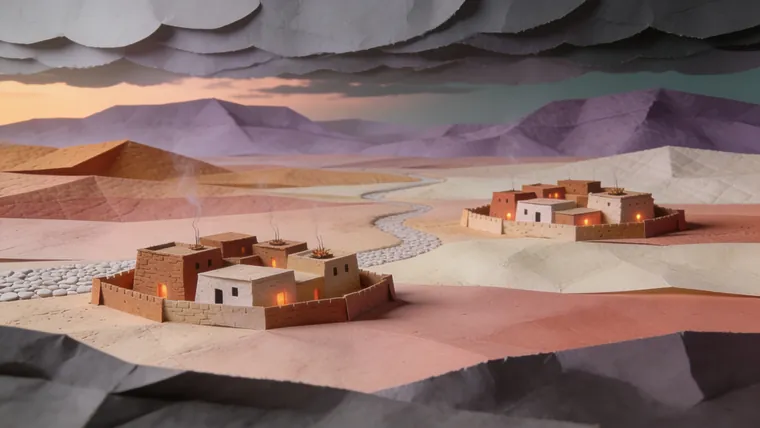
Sodom and Gomorrah on the plain, and Lot inside

The cry is great, and God goes down to see

Abraham pleads: Shall not the Judge do right?
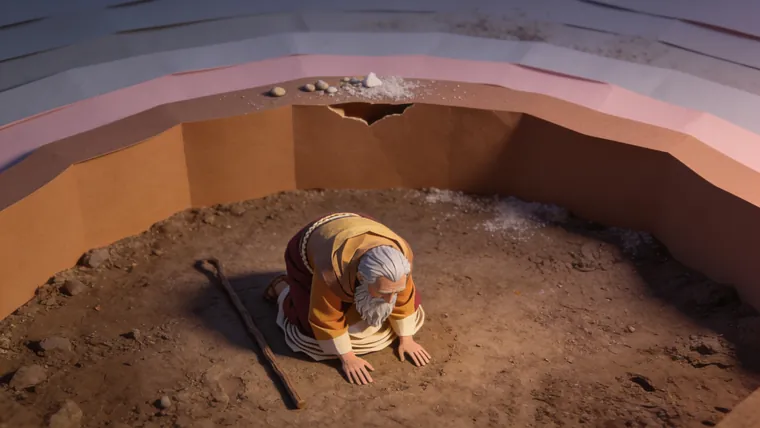
Fifty righteous, dust and ashes, down to ten
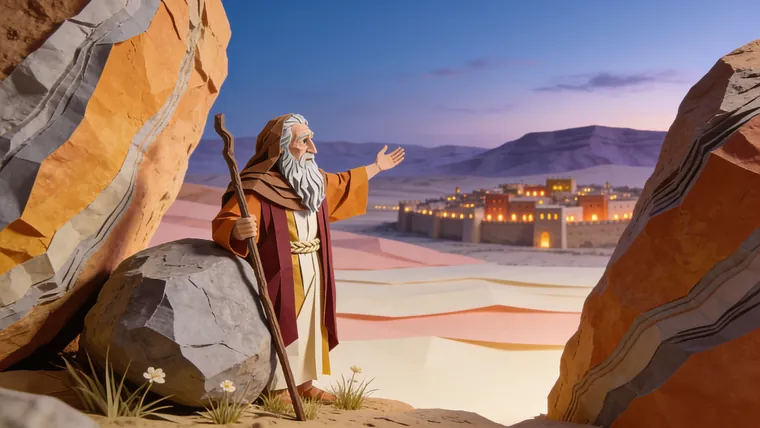
Mira: How is that the good guy?
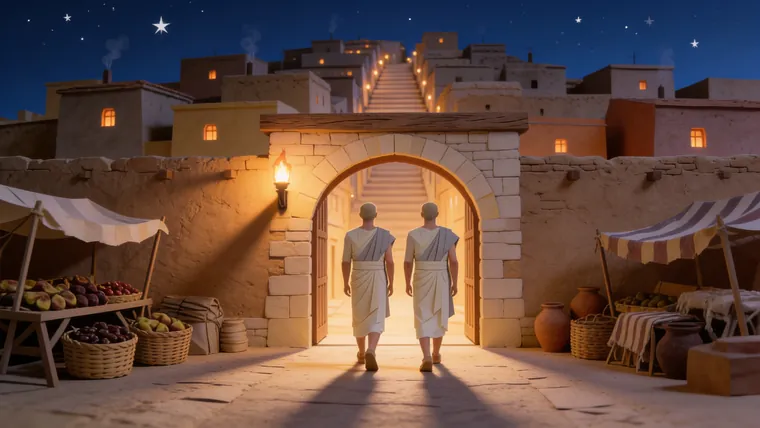
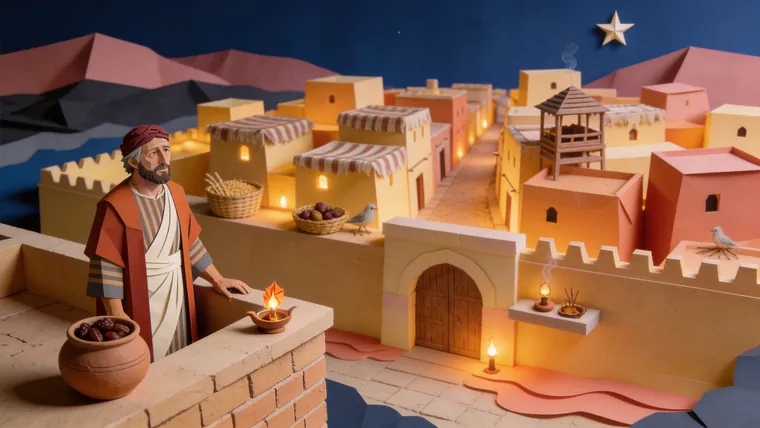
Two messengers at Sodom's gate
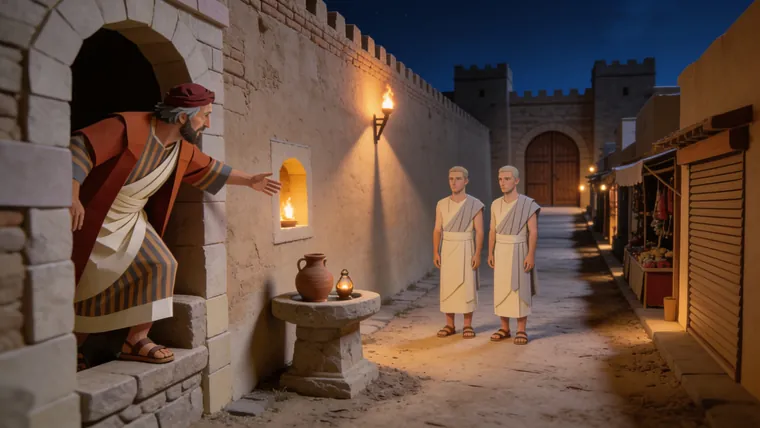
Lot lives here on purpose
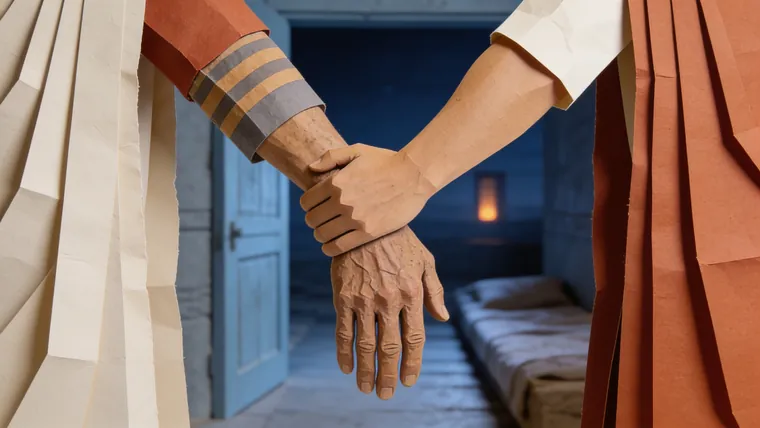
Lot lingers, and the men laid hold upon his hand

Escape for thy life, look not behind thee
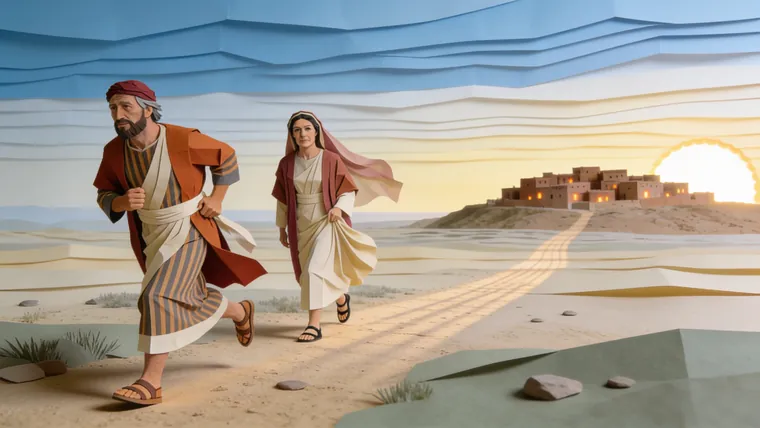
The run to Zoar, fire on the plain

Lot's wife becomes a pillar of salt

The smoke of a furnace

God remembered Abraham
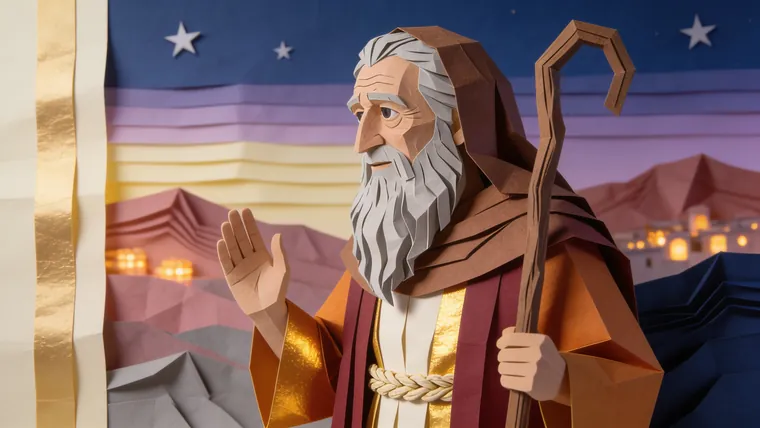
Both at once: the judgment and the hand

Tov: she was almost out

Jesus, which delivered us from the wrath to come

Remember Lot's wife
Quoted line for line from the King James Version.
Because the cry of Sodom and Gomorrah is great, and because their sin is very grievous
I will go down now, and see whether they have done altogether according to the cry of it, which is come unto me; and if not, I will know
Shall not the Judge of all the earth do right?
If I find in Sodom fifty righteous within the city, then I will spare all the place for their sakes
but dust and ashes
I will not destroy it for ten's sake
the men laid hold upon his hand
Escape for thy life; look not behind thee, neither stay thou in all the plain; escape to the mountain, lest thou be consumed
But his wife looked back from behind him, and she became a pillar of salt
the smoke of the country went up as the smoke of a furnace
God remembered Abraham, and sent Lot out of the midst of the overthrow
Remember Lot's wife
The Lord knoweth how to deliver the godly out of temptations, and to reserve the unjust unto the day of judgment to be punished
Jesus, which delivered us from the wrath to come
Everything for this story in one place. Pick where to start.
Small details that pay off later. The gold marks are seeds the ending grows from.
The cry of Sodom and Gomorrah is great, and their sin very grievous; I will go down now and see -- the judgment answers a CRY (people crushed by the city), it is not arbitrary
That be far from thee, to slay the righteous with the wicked. Shall not the Judge of all the earth do right? -- Abraham's plea and the doctrinal spine; Mira's doubt echoes it in her own voice
Abraham: I have taken upon me to speak unto the Lord, which am but dust and ashes -- the plea is reverent intercession, not haggling
The descending intercession: fifty, forty-five, forty, thirty, twenty, down to ten righteous -- 'Peradventure ten shall be found there' / 'I will not destroy it for ten's sake'; mercy stretched as far as it can reach
Two messengers came to Sodom at even; Lot sitting in the gate rose to meet them and pressed them into his house behind a shut door
Escape for thy life; look not behind thee, neither stay thou in all the plain; escape to the mountain, lest thou be consumed -- the one command that decides everything
While Lot lingered, the LORD being merciful, the men laid hold upon his hand and brought him forth; mercy drags the slow out by the hand
His wife looked back from behind him, and she became a pillar of salt -- shown sober and at a distance, never as horror
The smoke of the country went up as the smoke of a furnace -- Abraham sees it from the hills where he had stood before the LORD; distant fire only
God remembered Abraham, and sent Lot out of the midst of the overthrow -- the passage's OWN thesis for why Lot lived: not Lot's strength but the intercessor remembered; ties the pleading to the rescue
Pays off → The grace landing -- the intercessor is heard and remembered -> Christ
Remember Lot's wife -- Jesus' own two-word sermon on the danger of looking back; the closing pull
Pays off → The takeaway -- do not look back at what is under judgment
The grace landing anchored on the passage's OWN pattern -- Abraham stood between the city and judgment and pleaded, and mercy went in; One greater than Abraham stood between us and the wrath we earned and walked into the fire Himself: Jesus, which delivered us from the wrath to come
Pays off → The closing grace landing -> the intercessor who is heard, then takes the fire
All 14 quoted spans were verified word for word against the King James Version, then read for fairness and reverence before a single frame was made. Mira & Tov are companions in a dramatized retelling, not people from the Bible.
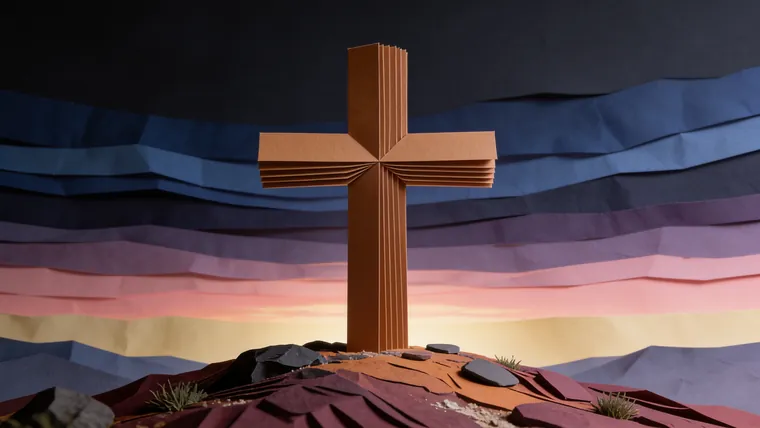
Lot is alive for one reason the account names: "God remembered Abraham" (Genesis 19:29). Generations later, One greater than Abraham stood between us and a judgment we had actually earned: "Jesus, which delivered us from the wrath to come" (1 Thessalonians 1:10). And His warning still stands over the road out: "Remember Lot's wife" (Luke 17:32).
Mira stops the whole story with: "Hold on. He's about to burn a whole city. How is that fair? How is that the good guy?" And then she watches Abraham get yes all the way down to ten, and Lot walk out because God remembered the man who prayed. Justice, mercy, or both at the same time? Tell us where you land.
Short answers, straight from the King James Version.
Abraham is not arguing God out of justice, he is appealing to it. "That be far from thee, to do after this manner, to slay the righteous with the wicked... Shall not the Judge of all the earth do right?" (Genesis 18:25). He trusts that the One who is about to judge Sodom is the very source of fairness, so he can plead with Him rather than against Him.
Yes. Abraham talks God down from fifty to ten, and each time the answer is yes: "I will not destroy it for ten's sake" (Genesis 18:32). The story never says ten was found, it says God was willing. Mercy went as far as Abraham was willing to ask.
The command was plain, "look not behind thee" (Genesis 19:17), and "his wife looked back from behind him, and she became a pillar of salt" (Genesis 19:26). Scripture doesn't explain her heart, only her choice: still reaching for a life under judgment instead of the rescue in front of her. Jesus later makes her a warning in His own words: "Remember Lot's wife" (Luke 17:32).
Short, vertical cuts, each built around one verse.
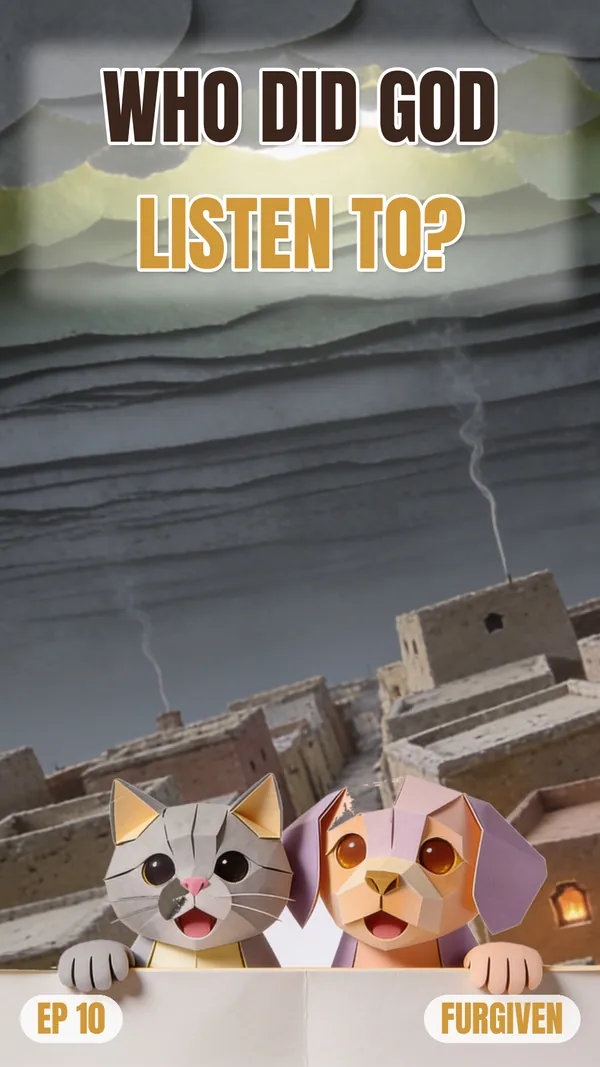
Sodom didn't fall in a flash of anger. Before fire fell on Sodom and Gomorrah, God said He would go down to see for Himself.
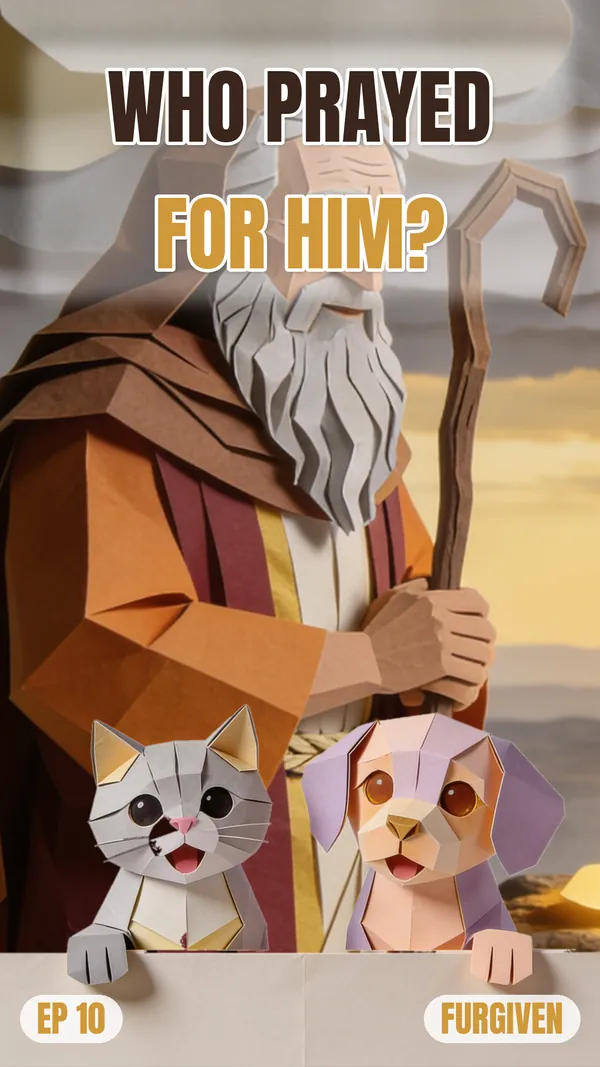
Lot walked out of Sodom alive. Mira's first thought: he never knew who to thank.

Morning had come. Sodom was about to fall.

Jesus gave a warning in only three words, about one woman on the road out of Sodom.
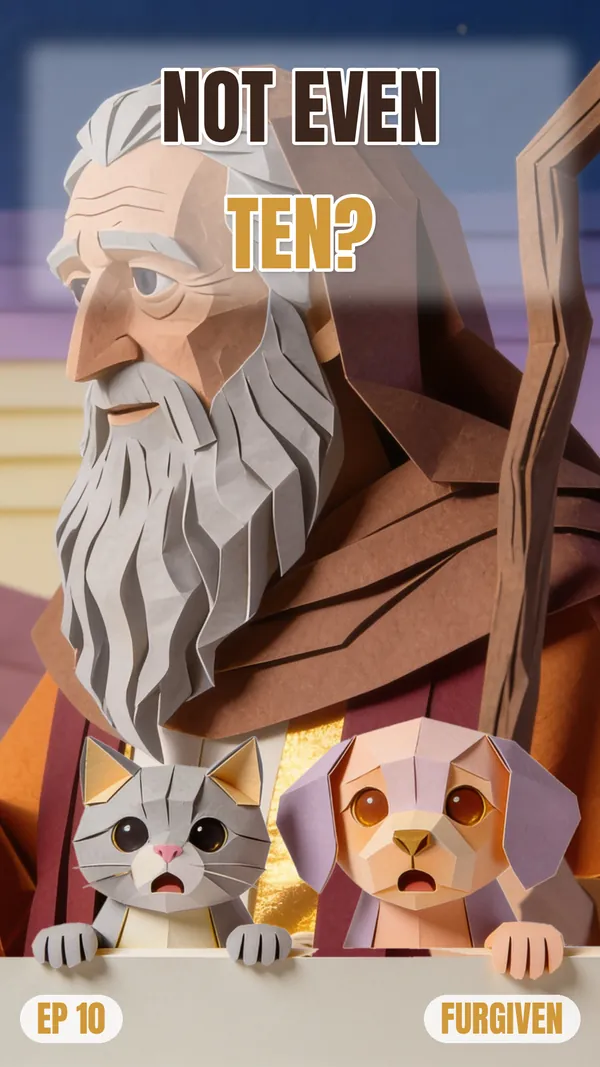
Fifty. Forty.